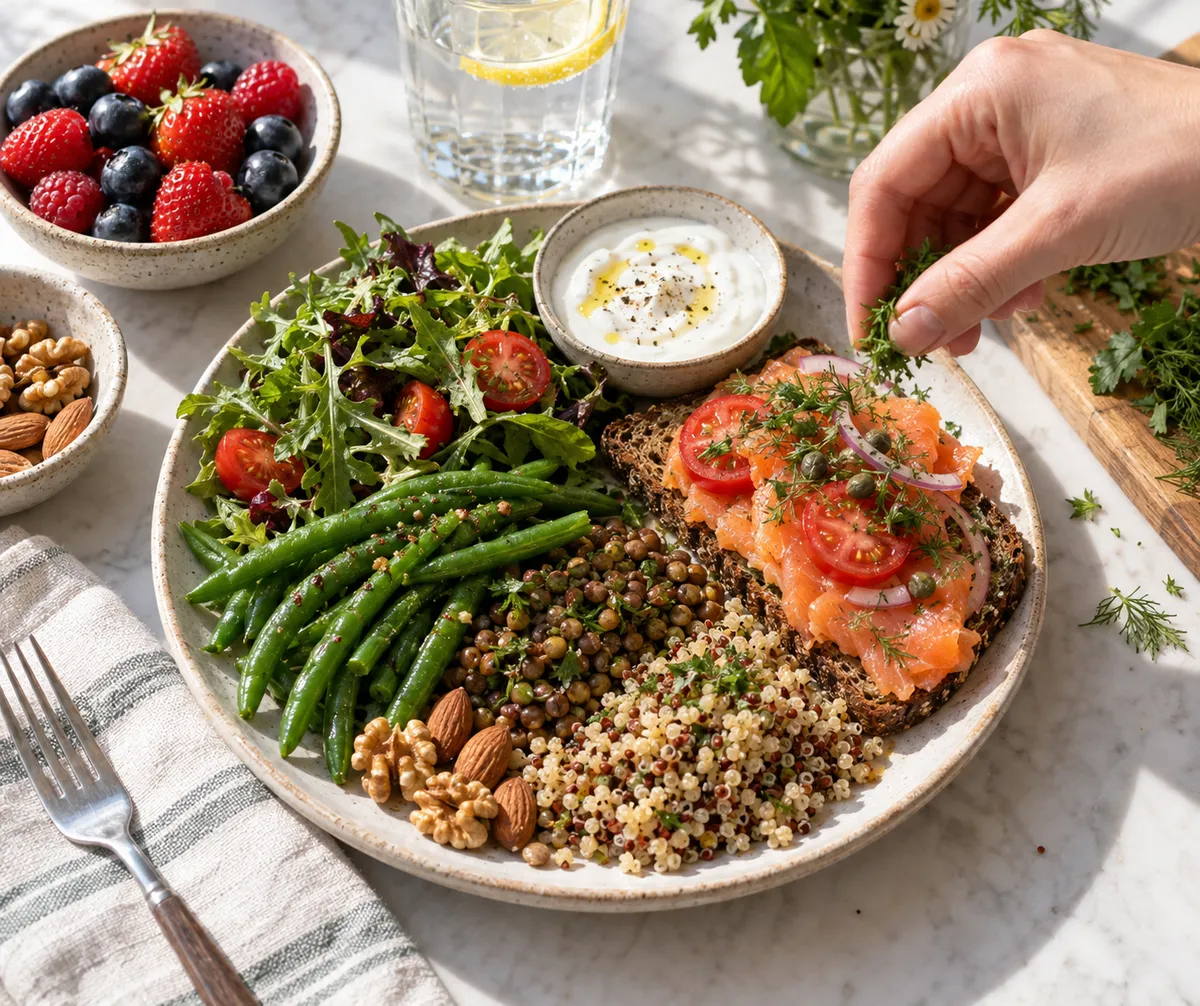
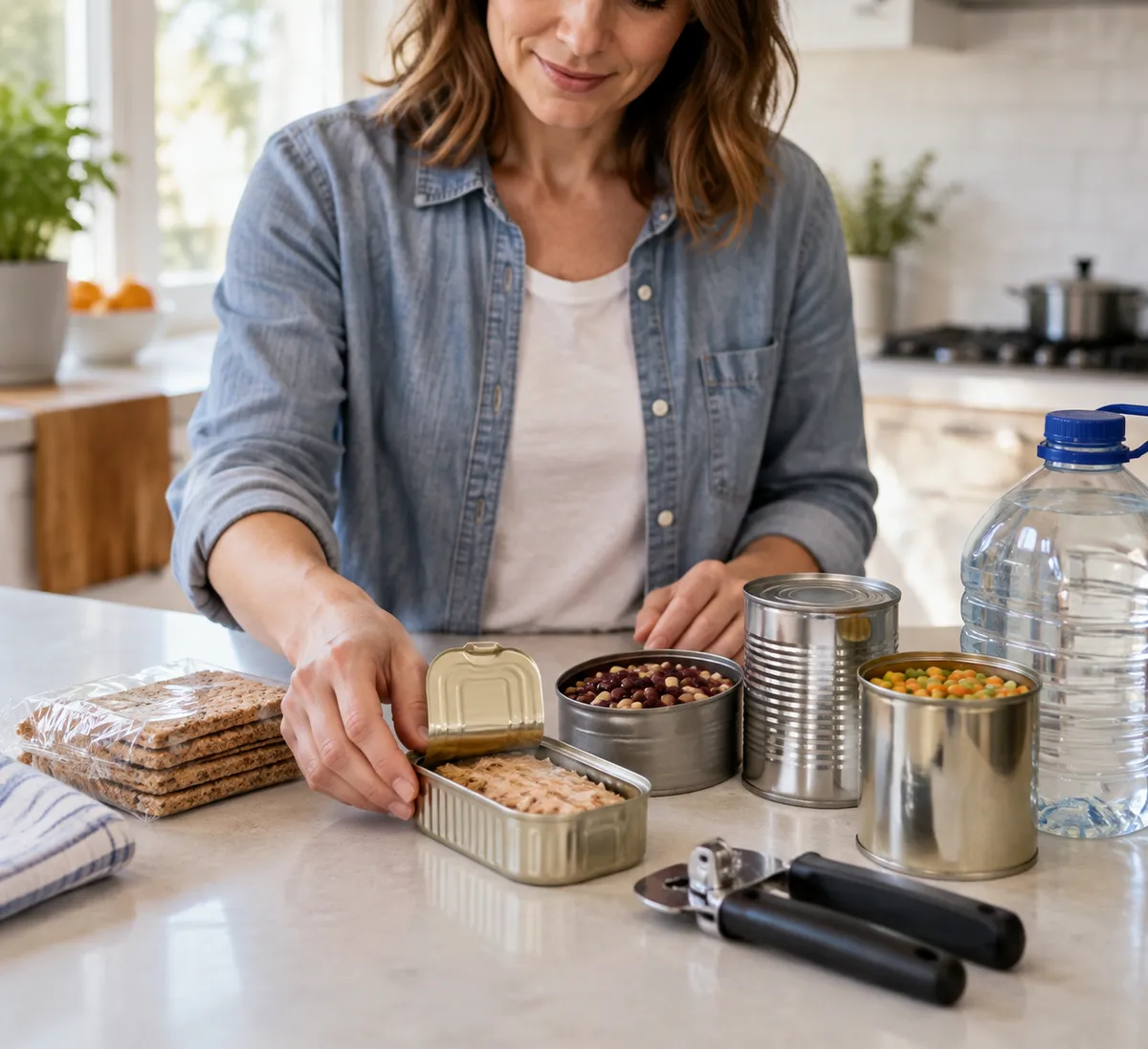
A UK government watchdog has warned that homes in the country aren't prepared for possible food supply disruptions caused by events like cyberattacks, power outages, disease outbreaks or extreme weather, according to a piece originally reported by Medicalxpress. The follow-up advice is the interesting part: a stockpile shouldn't just be a heap of "nonperishable food." It should be a balanced pantry that you'd actually want to eat from.
That's the angle worth sitting with. Disaster-movie imagery tends to give us a bunker shelf of identical tins and a grim look. Real preparedness, per the Medicalxpress piece, is closer to smart grocery shopping with a longer time horizon.
Why "Just Buy Nonperishables" Falls Short
The Medicalxpress article argues that vague guidance leaves a gap. Telling people to stock up on food that won't spoil is technically advice, but it says nothing about whether you'll be eating well, or at all happily, if a disruption drags on.
With UK officials warning that households may be underprepared, and extreme weather and infrastructure risks making resilience a mainstream concern, the piece pushes for nutrition-focused guidance instead. It's hard not to read that as a very sensible reframe: if you're going to store food anyway, store food that does your body some good.
The Building Blocks
Here's the shopping framework the article lays out, in plain terms.
Protein
Balanced protein is the first pillar. The article calls for it as part of a stockpile that goes beyond basic shelf-stable filler. Think of protein as the thing that makes a meal feel like a meal rather than a snack with ambitions.
Whole-grain carbs
The piece specifically names whole-grain carbohydrates. Our take: this is where the fiber conversation lives, and it's the difference between a pantry that sustains you and one that merely fills you.
Canned vegetables
Canned vegetables get a spot on the list, which is a quiet vote for the humble tin as a nutrition tool. Vegetables are the category most likely to vanish from a panic-built stockpile, so it's smart to name them outright.
Water
Water is on the list, and it's the item people forget they can't improvise. You can swap one pasta for another. You can't swap thirst for anything.
Supplements
The article also includes supplements among its recommendations. If your diet gets narrower during a disruption, a multivitamin is a cheap way to cover some gaps. (Our usual caveat: check with a pharmacist or doctor about what's right for you.)
A can opener
This is the sleeper hit. The article lists practical items like a can opener, and the joke writes itself: a pantry full of canned goods and no way in is the preparedness equivalent of buying concert tickets and forgetting the date. Check yours works. Check you have two.
Making It Not Depressing
Here's where we add our own spin, because the facts above are a list and a list isn't dinner. Treat the pantry like a rotation, not a time capsule. If you buy items you already cook with, such as whole-grain pasta or rice, canned beans or fish, and canned tomatoes and vegetables, you can eat your way through the older stock and replace it as you go. Nothing sits for years, and nothing is a surprise when you open it.
A few template ideas built only from the categories above:
- Grain + protein + vegetable: a whole-grain base, a canned protein, and canned vegetables is the whole formula. Swap the ingredients and you've got a new meal.
- Flavor is your friend: the article's cautions point toward watching salt and keeping fiber up. That means reading labels on canned goods, and choosing whole grains over refined ones where you can.
- Cook what you'd cook anyway: familiarity is morale. A stockpile of foods you like is easier to live with than one of foods you bought out of dread.
The Mistakes to Dodge
Two pitfalls stand out from the article's emphasis on nutrition: too much salt and not enough fiber. Canned and packaged staples can lean salty, and a stockpile built from refined carbs can be light on fiber. Neither is a catastrophe for a day or two, but if a disruption stretches on, they're the kind of thing that makes you feel worse at exactly the wrong time. Whole-grain carbs and canned vegetables are the corrective.
Start Small, Start This Week
You don't need a spreadsheet or a basement. Add a few items to each weekly shop: a pack of whole-grain something, a couple of tins of protein, canned vegetables, extra water. Put a multivitamin on the list. Then find the can opener and make sure it still bites.
That's the quiet appeal of this whole idea. Preparedness has spent years being sold as fear. The more useful version is a well-stocked cupboard, a working can opener, and dinner that doesn't feel like a punishment.