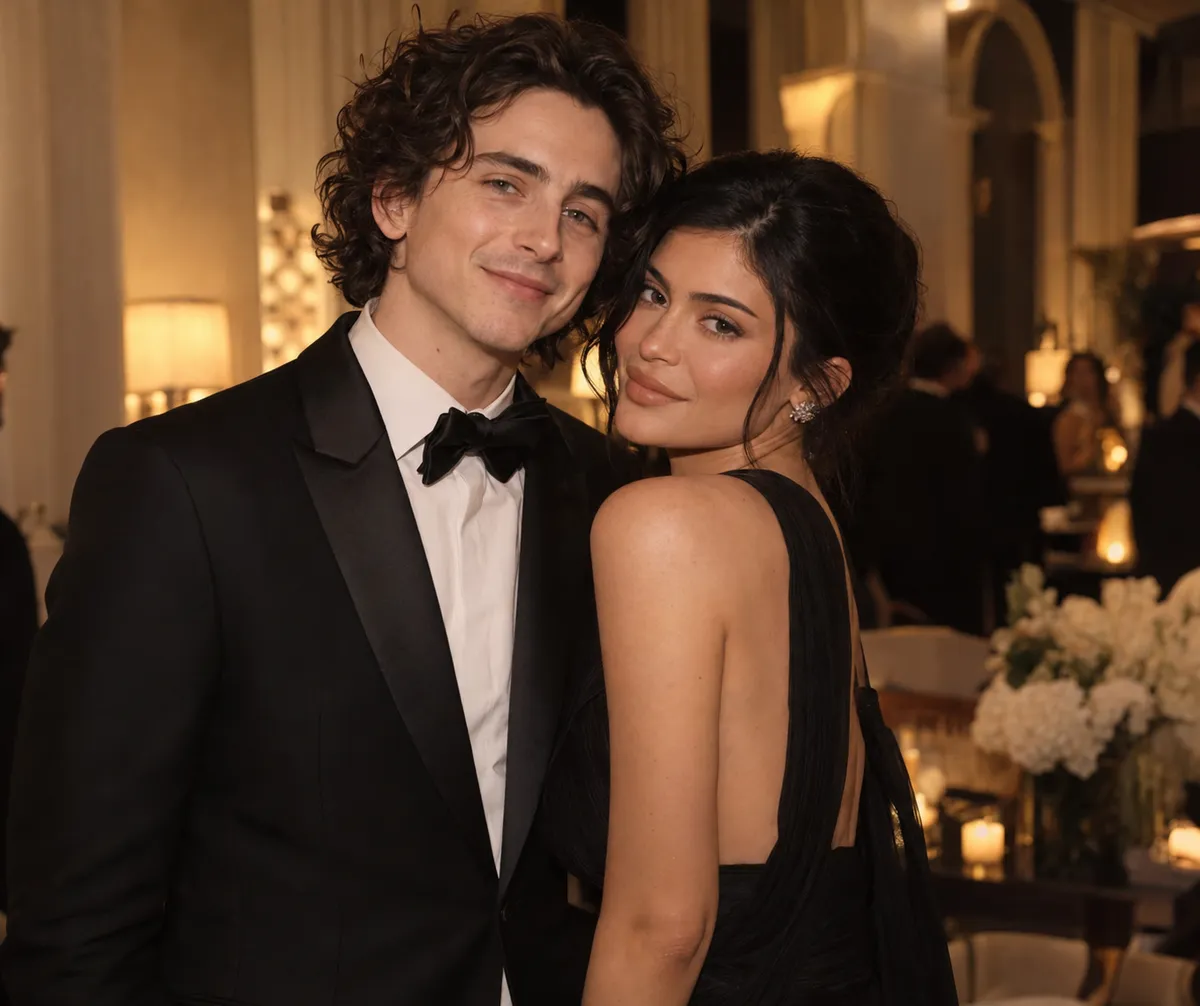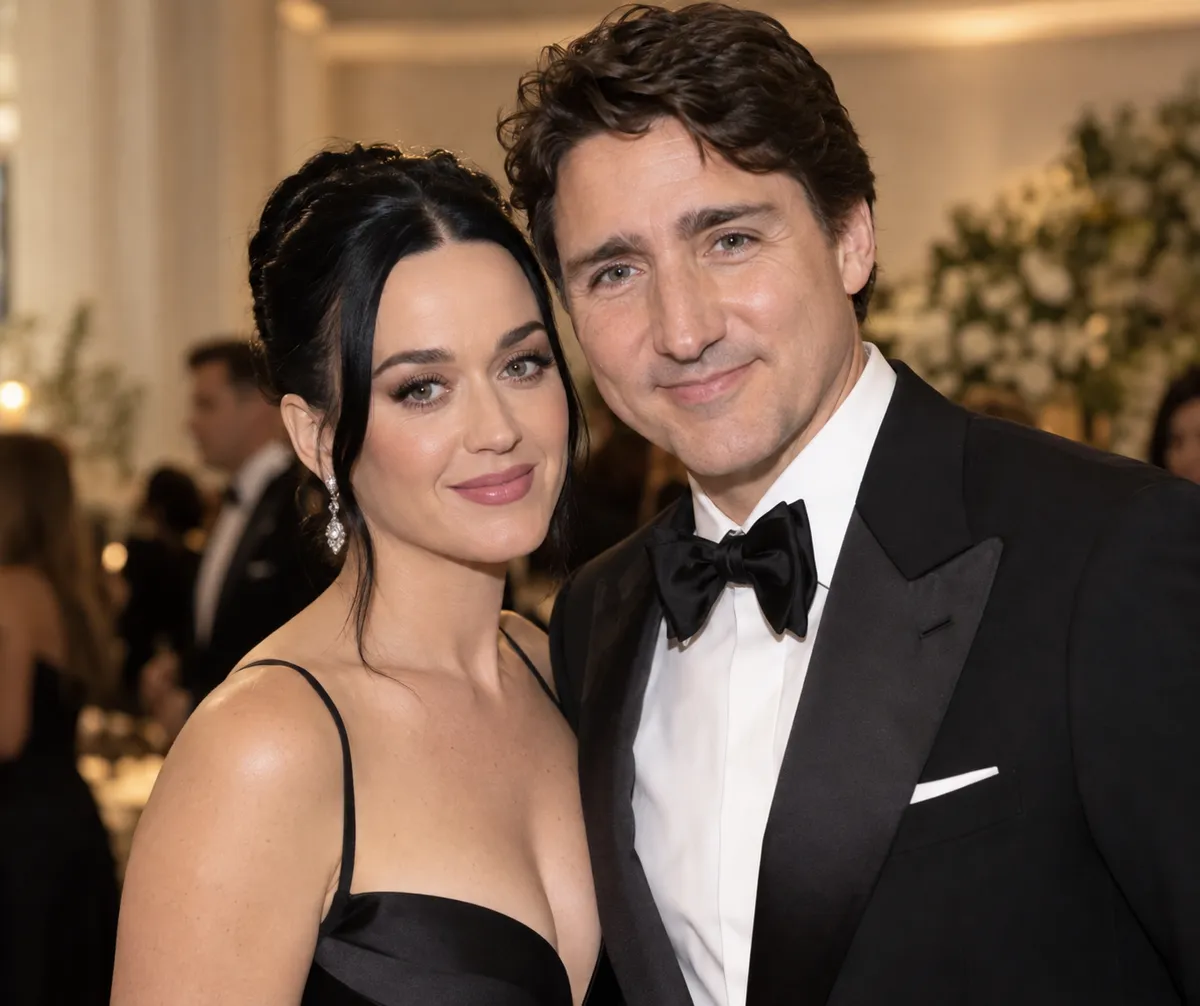

Ella Langley had a very good night at the 60th CMA Awards. Per Fox News, she dominated country music's biggest night, taking home entertainer, album, single, song, video and female vocalist of the year. Taylor Swift, meanwhile, made her return to the CMA stage after what Fox describes as a decade-long absence.
That is a lot of headline for one telecast, and it's hard not to read the evening as a handoff: one new face of country collecting the hardware, one superstar with deep country roots dropping back in.
A Sweep That Reads Like a Coronation
Look at the list of categories Langley won, per Fox News: entertainer, album, single, song, video and female vocalist. That covers the artist, the full-length record, the radio-ready hit, the songwriting, the visuals and the vocals. It's hard to find a corner of the genre's résumé she didn't get credit for.
Entertainer of the year is the one that usually signals who the industry thinks is carrying the format. Pair it with album and single, and the message is hard to miss. This wasn't a split decision where one award went to the crowd favorite and another to the critics' pick. Voters landed in the same place across the board.
That's our read, not a quote from anyone in the room, but the shape of the sweep suggests the 2026 CMAs will be remembered as the night Langley stopped being a rising star and became a defining one. Fox's recap frames it as a broader generational shift in country music, and the trophy count backs that up.
Swift Walks Back Into the Room
Then there's Taylor Swift. According to Fox News, she returned to the CMA stage after a decade away, and the recap says her presence broadens the event's pop-culture reach beyond traditional country audiences.
For anyone who followed her early career, the symmetry is hard to resist. Swift started out in Nashville, and the CMAs are the genre's home-field showcase. Seeing her back on that stage is the kind of full-circle moment fans enjoy picking apart. The details of her appearance are best checked in Fox's full recap, but the headline alone guaranteed that people who rarely tune in to country awards would at least check the clips.
It also makes for an interesting double bill. A night that crowns one artist as the genre's new center of gravity also welcomes back one of the biggest names in music. Both can be true without competing: Langley owned the trophy table, Swift owned the "wait, she's back?" conversation.
The Legacy Names Kept the Night Grounded
Fox's recap says icons including Brooks & Dunn, Dolly Parton and Tim McGraw anchored the show's legacy moments, alongside Swift. That's a strong lineup for a 60th anniversary telecast, and it speaks to what the CMAs do well: they let the genre's history and its future share a stage without making either one feel like a museum piece.
The recap also points to major performances and tributes among the standout moments, though the details are best left to the full coverage rather than guessed at here.
What the Balance Says
Country music has a long habit of arguing with itself about tradition versus change. A night like this puts both on screen at once. On one side, a newcomer-turned-powerhouse sweeping the major categories. On the other, names like Parton, McGraw and Brooks & Dunn, who need no introduction to anyone who has ever sat through a county fair or a road trip radio scan.
The pop crossover only adds to it. Swift's return suggests that the line between country and the wider pop world is still very much worth watching, especially when the genre's biggest night can pull in people who don't usually follow it.
The Takeaway
Awards shows love a narrative, and this one handed them a tidy three-parter: a sweep, a return and a stage full of legends. But the sharpest detail is the simplest one. When an artist wins entertainer, album, single, song, video and female vocalist in the same evening, the room isn't just celebrating a good year. It's telling everyone, including Taylor Swift in the audience of history, who is next in line to carry the genre.