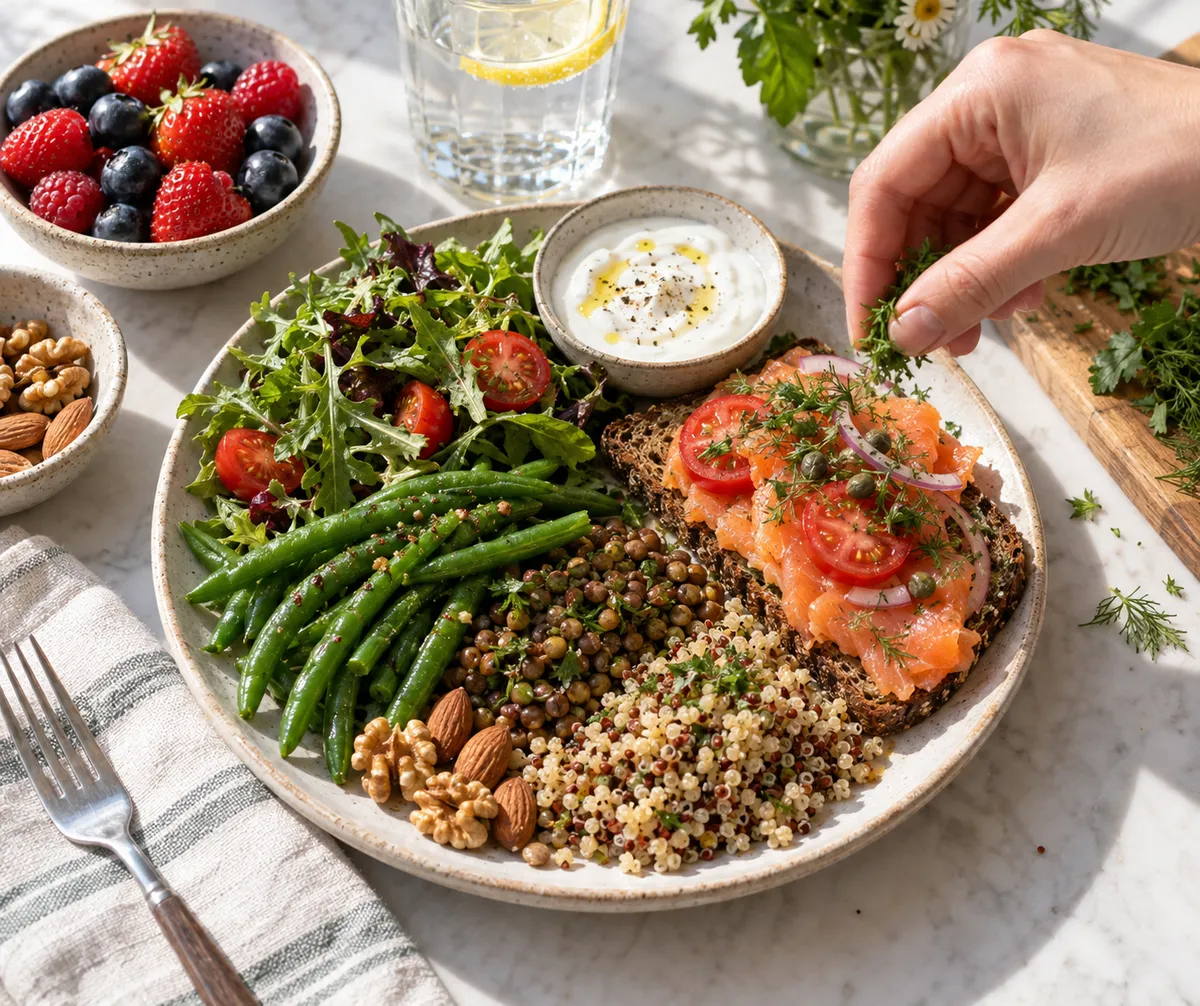
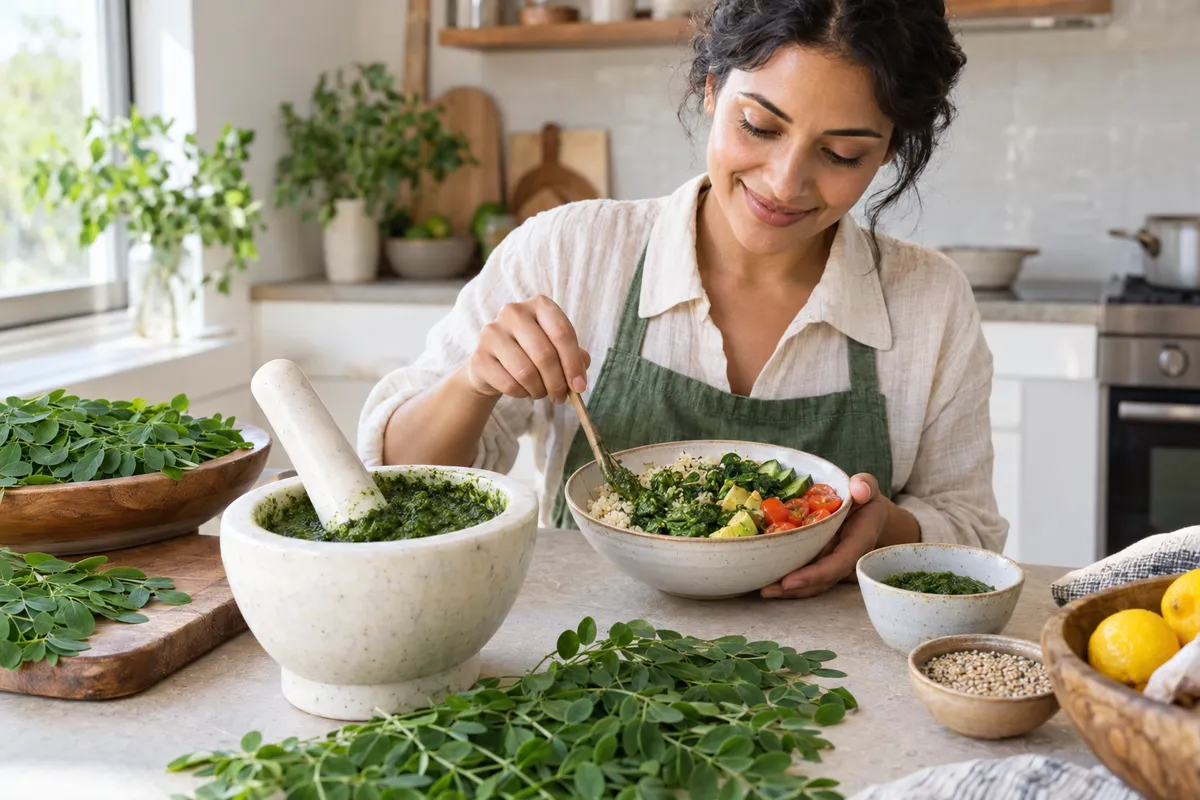
A familiar leafy green is getting a fresh pitch. In a piece originally reported by Mathrubhumi, moringa is presented as a food that deserves a place in every woman's diet, and as something more than a box-ticker for iron and calcium. The article's argument is that moringa offers a whole-food matrix of nutrients and antioxidants that may be easier for the body to assimilate than isolated iron or calcium supplements.
That is the story. Now for the fun part: what a "kitchen pharmacy" idea actually asks of you, and how to keep your skepticism seasoned along the way.
The Pitch: Less Pill Cabinet, More Kitchen
Mathrubhumi's framing is that women are increasingly dealing with a stack of overlapping worries: fatigue, anemia, hormonal changes, supplement overload and plain old wellness confusion. Against that backdrop, the piece positions moringa as a culturally rooted alternative to pill-first routines.
It's easy to see why this lands. Anyone who has stood in a supplement aisle reading labels about iron, calcium and a dozen add-ons knows the feeling. A leaf you can stir into a meal is a much friendlier concept than another bottle on the shelf.
The article says moringa leaves are packed with nutrients and plant compounds, and it asks whether this familiar ingredient can support women's nutritional needs. It points to energy, blood health, bones, skin and hair as the areas where moringa could play a role.
Why "Bioavailability" Is the Word to Watch
The central claim is about how nutrients arrive, not just how much of them there is. According to the piece, moringa's nutrients and antioxidants come packaged together as a whole food, which may make them easier to assimilate than iron or calcium taken in isolation.
That's the logic behind the pitch: a high dose on a label isn't the same as what your body actually uses. The article's wording is careful, using "may be easier," and it's worth keeping that hedge in view. It's a hypothesis about whole foods, not a promise that a handful of leaves replaces anything your doctor has prescribed.
It's hard not to wonder how far this reasoning should stretch. If you've been diagnosed with anemia or a deficiency, the sensible reading is that moringa can sit alongside medical guidance, not instead of it. Nothing in the reporting says otherwise, and we're not going to say it does.
The Ayurvedic Layer
What sets the article apart from a standard "superfood" listicle is its blend of nutrition talk with Ayurvedic concepts. It draws on Agni, the digestive fire, and Dhatu Agni, the idea of tissue-level metabolic fire, to frame how the body uses what it eats.
In this view, fatigue and weak digestion are connected. If digestion is struggling, even good food may not be doing its full job. That's a different lens from the pill-first model, where the answer to tiredness is typically to add a nutrient. Here the question is also whether the body can make use of it.
You don't need to be fluent in Ayurveda to appreciate the appeal. The idea that how you digest matters as much as what you swallow is, at minimum, a tidy way to think about meals.
The "Food as Medicine" Moment
The timing makes cultural sense. Interest in Ayurveda, functional foods and "food as medicine" keeps growing, and moringa fits neatly into the trend while having deep roots in the kitchens where it has long been used. For once, a wellness buzzword is attached to something with an actual culinary history rather than a freshly invented powder.
That's also where the smart move lies. The best version of this trend doesn't feel like a trend. It looks like a leafy addition to dinner rather than a ritual with a countdown timer and a hashtag.
How to Make It Feel Like Food, Not a Supplement
The article's practical thrust is to work moringa into daily meals for energy, blood health, bones, skin and hair. Specific recipes aren't spelled out in the material we have, so we won't invent a measured-out formula. But the philosophy is easy to apply:
- Treat it like any leafy green. Stir it into dishes you already cook rather than building a new routine around it.
- Make it a habit, not a project. The "kitchen pharmacy" idea works best when it's regular and unremarkable.
- Pair it with how you feel. The piece leans on symptom-led thinking, such as fatigue, hair and skin concerns, so notice what you're hoping it helps with and talk to a professional if those symptoms persist.
The Honest Read
Here's our take, clearly labeled as such. The most useful thing about this pitch isn't a miracle claim. It's the permission to simplify. Wellness culture has trained many of us to believe that every concern needs its own capsule, and a reminder that a plant on the plate can be part of the answer is refreshing.
But "may be easier to assimilate" is doing real work in that argument, and a good kitchen pharmacy still keeps a phone number for an actual doctor on the door. Moringa may deserve a spot on the table. Whether it deserves the whole shelf is a question the leaves can't answer on their own.