New research links eating more ultra-processed foods (UPFs) to higher levels of inflammation markers in the body, per a Women's Health report. Those markers are associated with risks like cardiovascular disease, diabetes, and cancer. The report also lays out what actually counts as a UPF and offers expert-backed ways to cut back without aiming for perfection.
So the news is a little sobering. But the useful part is not the alarm. It's the checkout-line question most of us have never quite answered: how do I know if this thing is ultra-processed in the first place?
Let's make that question less intimidating.
Why This Is Having a Moment
UPFs make up a huge share of the modern food supply, per the report, and public concern about their long-term health effects keeps growing. Inflammation, meanwhile, is increasingly tied to chronic disease. Put those together and you get a lot of people standing in the cereal aisle wondering whether they've been doing it wrong.
The framing the experts lean on is refreshingly un-dramatic: this is about small upgrades, not a total kitchen overhaul. That's the angle worth taking seriously, because the all-or-nothing approach to eating tends to last about as long as a New Year's gym membership.
What the Research Says (and Doesn't)
Here is what the reporting supports: higher UPF intake is linked to elevated inflammation markers, and those markers are associated with several serious conditions.
Note the word "linked." The report describes an association, and nothing in what I have says a single bag of chips is secretly doing damage. It's a pattern-of-eating story, not a one-snack-doom story. That's good news for anyone who loves a convenience food now and then.
The Label Walkthrough: A Practical Mindset
The report breaks down what counts as a UPF. I don't have its full definition or its list of examples, so rather than invent a checklist and pin it on the experts, here's the approach I'd suggest as a reader, clearly labeled as my own take:
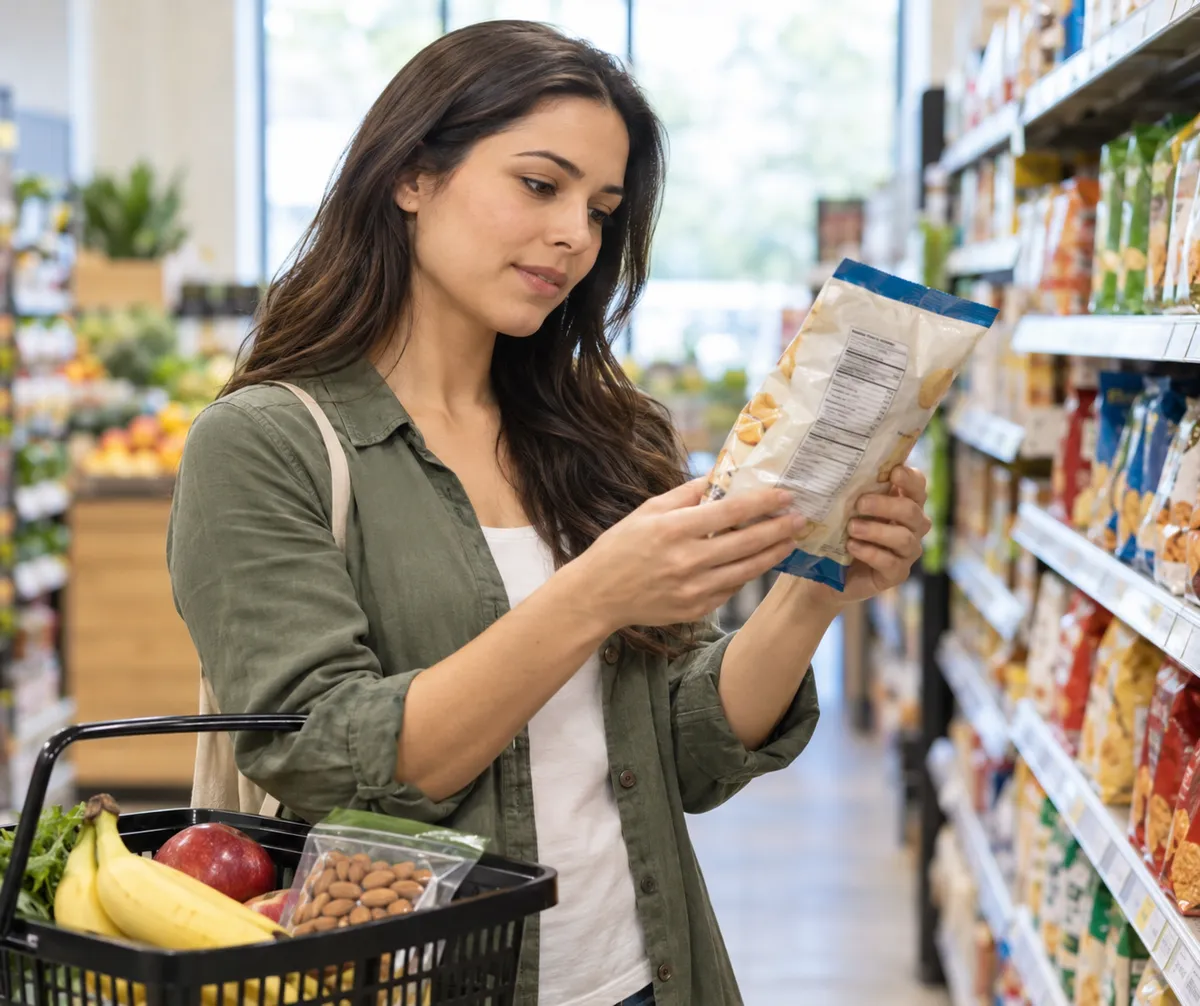
- Flip the package over. The front is marketing. The back is where the actual food lives.
- Compare versions of the same item. If two brands of the same product exist, see which one reads more like something you could picture in a kitchen.
- Start with the foods you eat most. Your daily breakfast matters more than the cake you eat twice a year.
That last point is the real strategy. Swapping out the things that show up in your life every single day does more than a heroic one-time pantry purge.
Build a Lower-UPF Plate Without Quitting Convenience
The experts quoted in the report emphasize that perfection isn't the goal, and that's the line to hold onto. The aim, per the summary, is to swap packaged foods for more nutrient-dense options, not to ban everything that comes in a wrapper.
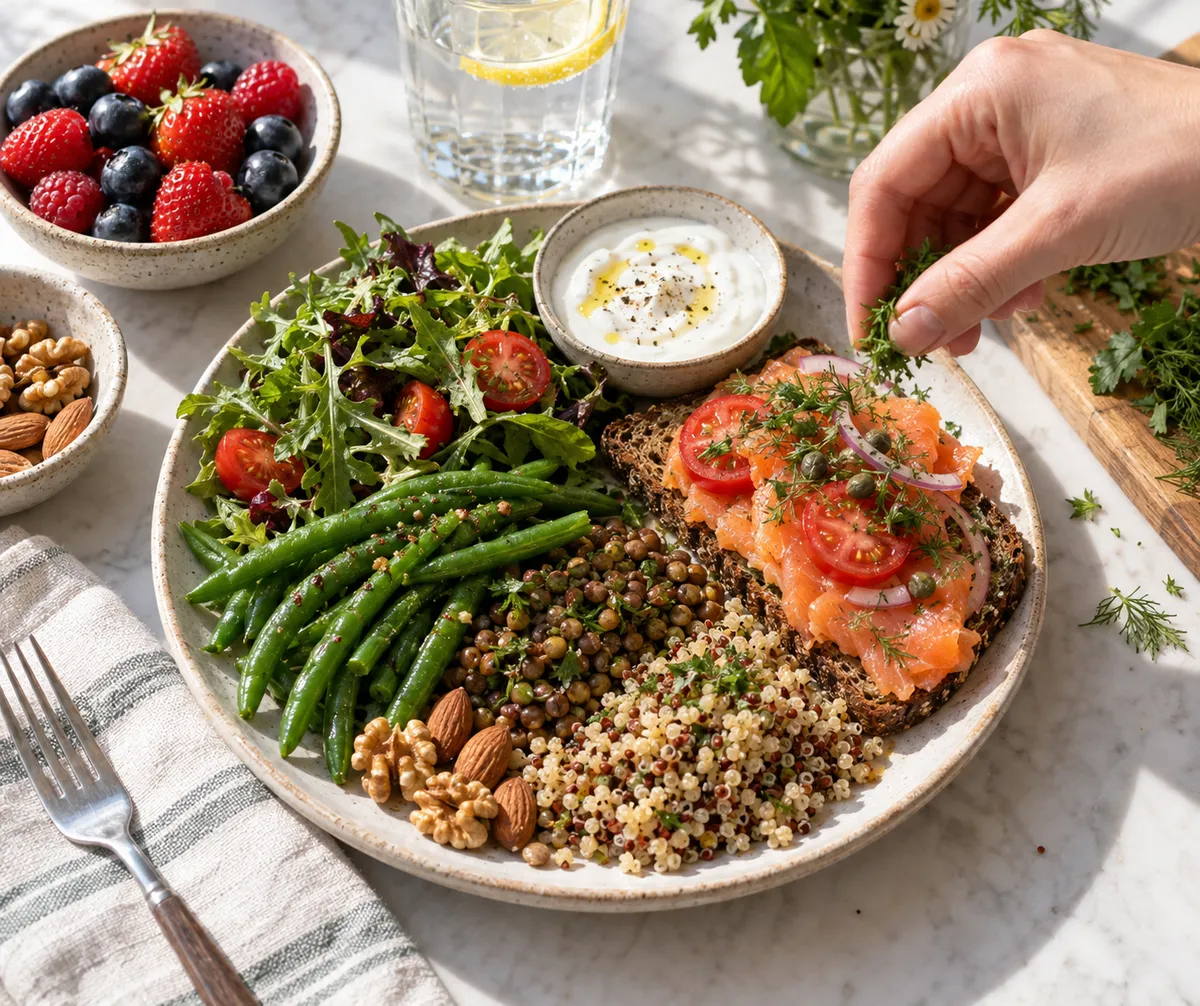
In practice, that suggests a "real food first" mindset for busy people. Think of it as adding a better default rather than subtracting joy:
Pick one meal to upgrade
Breakfast, lunch, or the 3 p.m. snack. Choose one. Improve it. Leave the rest alone for now.
Keep the convenience, change the ingredients
Convenience isn't the enemy. A quick meal can still lean on whole foods. The point is to make the easy option the better one.
Let the rest slide
The takeaway from the experts is not to aim for flawless. If dinner is a frozen something on a chaotic Tuesday, that's life, not a failure.
The Bigger Picture
It's hard not to notice how much food-news coverage runs on fear. Every few months a new study arrives, and suddenly the pantry feels like a crime scene. What makes this one more useful is the pivot from "be afraid" to "be a little more curious."
You don't need a nutrition degree or a decoder ring. You need to turn the box over, notice what you're eating most often, and make one slightly better choice. Do that enough times and the cart changes without a dramatic reinvention.
The researchers and experts behind this story seem to agree: progress beats purity. The best swap is the one you'll actually keep making.
The Takeaway
The science here points to a link between heavy UPF intake and inflammation, and inflammation is tied to some of the health conditions people worry about most. The response doesn't have to be panic. It can be as modest as reading one label tonight and trading one habitual snack tomorrow.
The pantry isn't on trial. You just get to decide, one grocery run at a time, what earns a spot in it.