
The hospital meal tray has been a punchline for generations. The beige entrée, the lone dinner roll, the cup of gelatin wobbling with quiet menace. This week, it got a federal-level audition for a rewrite.
In a piece published by Fox News, Robert F. Kennedy Jr. and Dr. Mehmet Oz announced that 250 U.S. hospitals have joined the Make Hospital Food Healthier Pledge, a voluntary federal effort to improve the nutrition of meals served in hospitals. The stated goal, per the Fox News description, is to cut processed food and added sugar from patient meals, under the Trump administration's health agenda.
The Pitch: Food Should Help You Heal
Kennedy and Oz argue that hospital food should support healing. That is a hard sentence to argue with on its face. It's also one that has probably crossed the mind of anyone who has ever been handed a sugary dessert alongside a discharge pamphlet about managing their health.
The piece frames hospitals as powerful buyers. That's the part worth paying attention to. A hospital isn't just a place that serves meals; it's an institution that purchases food in bulk, every day. According to the authors' framing, that purchasing power could push the broader food system toward more whole, minimally processed foods.
Why the Timing Is Pointed
The announcement lands inside the "Make America Healthy Again" movement, which has made nutrition a bigger political and healthcare issue. Federal leaders have tied food quality to chronic disease, recovery and healthcare costs, per the Fox News report. Hospitals, which treat the consequences of all three, make a tidy symbolic stage.
It's hard not to see the logic of the optics: if you're arguing that diet shapes health, the place where people go when their health fails is an obvious spot to prove the point. Whether the practical results match the symbolism is a separate question, and the announcement as reported doesn't answer it.
The Angle Worth Chewing On: Buyer Power
Here's where the story gets interesting for anyone who follows food. Supply chains respond to big, steady customers. If 250 hospitals begin asking suppliers for fewer processed items and less added sugar, suppliers have a reason to reformulate or reroute what they sell. That's the theory Kennedy and Oz lay out, and it's a plausible one. It's also a theory, not a result. The announcement describes a pledge, not measured changes in what's on the trays.
That gap matters, and not just as a caveat. A pledge is a promise to aim somewhere. The distance between "we signed up" and "the Tuesday lunch menu is different" is where most good intentions in institutional food tend to live.
Voluntary Is the Key Word
The pledge is voluntary, which is the detail that shapes everything else. There's no mandate described here, and no penalty for hospitals that don't join. That makes 250 participants a notable number as a show of interest, but it also leaves open the debate over whether voluntary participation can move a food system or whether it takes firmer rules. The piece doesn't settle that, and neither will a single announcement.
For fans of food-world history, the voluntary-versus-mandatory tension is a familiar one. It runs through nearly every conversation about school lunches, menu labeling and ingredient standards. Voluntary programs are easier to launch and easier to quietly outgrow; mandates are harder to pass but harder to dodge.
So What Would a Better Tray Look Like?
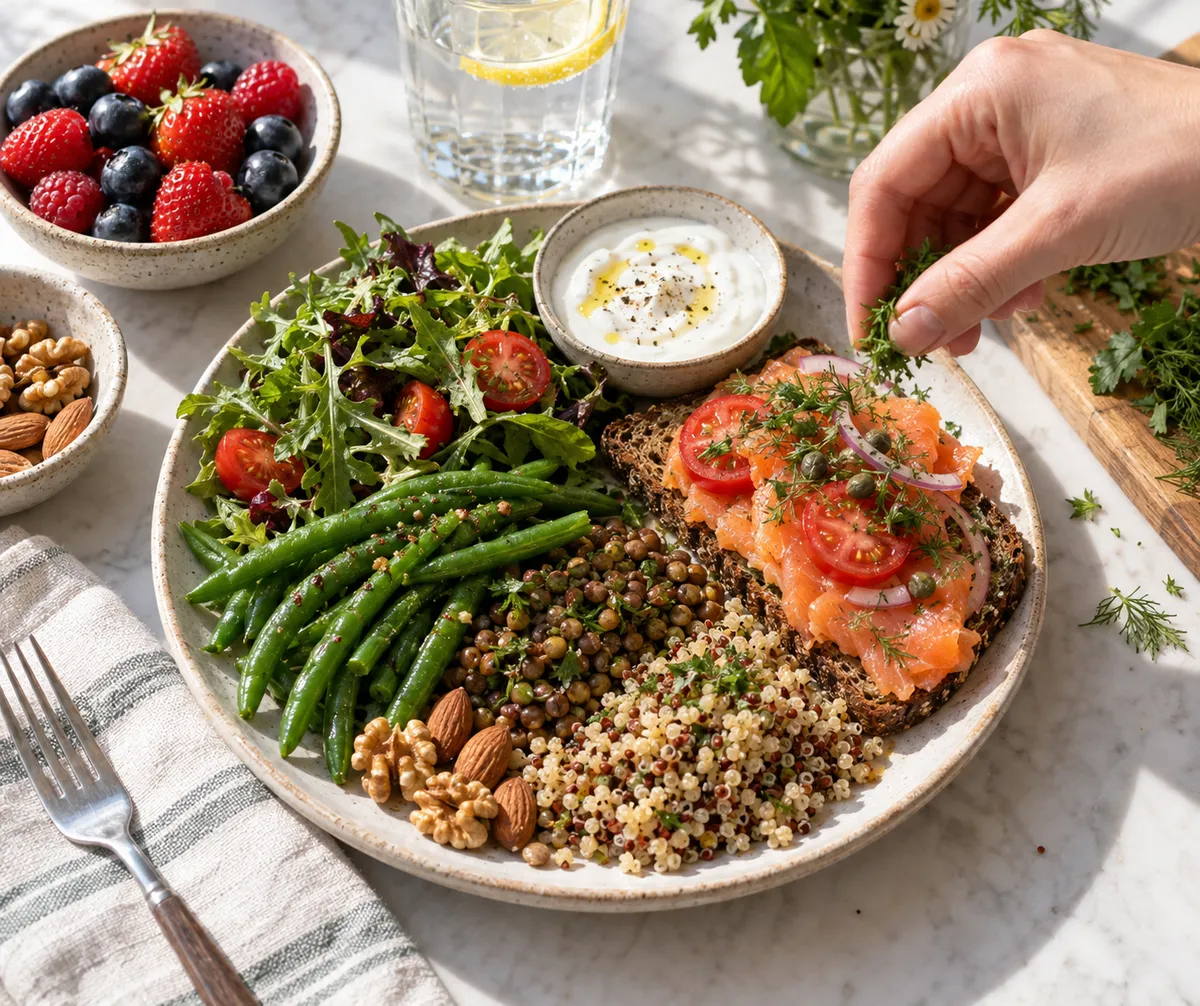
The announcement is framed around fewer processed foods and less added sugar, and around whole, minimally processed options. Taken at that level, the picture is easy to sketch: meals built more from recognizable ingredients and fewer from packaged, sweetened ones. The specifics, such as which dishes, what portions, what counts as "processed," and how patients with different medical needs fit in, aren't spelled out in what Fox News published.
Those details are where the real work happens. A patient recovering from surgery, a person managing a chronic condition and a night-shift nurse grabbing a cafeteria dinner have very different needs. A pledge can set a direction. A menu has to serve actual people with actual appetites, and appetite, anyone who has been in a hospital bed can tell you, is often the scarcest resource in the building.
The Takeaway
The hospital tray has survived decades of jokes because everyone recognized the problem and no one seemed in charge of it. Now 250 hospitals have signed on to at least say they'll try. The smartest thing to do is treat it like any good pilot episode: promising premise, unproven execution. The real review comes when the food arrives.