A new piece from the Napa Valley Register (via BPT) makes the case for planning a vacation around food: choosing destinations, building an itinerary around local cuisine, markets, restaurants, and regional specialties. It's a tidy premise, and it lands at a moment when, per the coverage, culinary tourism is a major travel driver as people look for immersive, local experiences instead of generic sightseeing.
Our take: the hard part of a food trip isn't finding things to eat. It's resisting the urge to eat everything. So here's the angle worth committing to: plan the trip around food, but leave room to breathe.
Why Food Trips Are Having a Moment
According to the report, food-focused travel is gaining ground because travelers want something more immersive than a landmark checklist. The coverage also notes that these trips perform well on social platforms, since they combine discovery, culture, and visual storytelling.
That last part is easy to believe. A bowl of noodles tells you more about a place than a photo in front of a famous monument, and it usually looks better, too. (That's our opinion, not a statistic, but you've scrolled the feeds.)
Start With the Dish, Then Pick the Place
The source's core advice is to let food shape the trip from the start. In practice, that means researching local dishes and regional specialties before you commit to a destination or a route.
It's hard not to see the logic. If you know what you're craving, the map starts drawing itself. Pick the dish you can't get at home, and let it decide where you go and what you plan around it.
Build the Itinerary Around Anchors
The coverage points to a few experiences that work well as the backbone of a day:
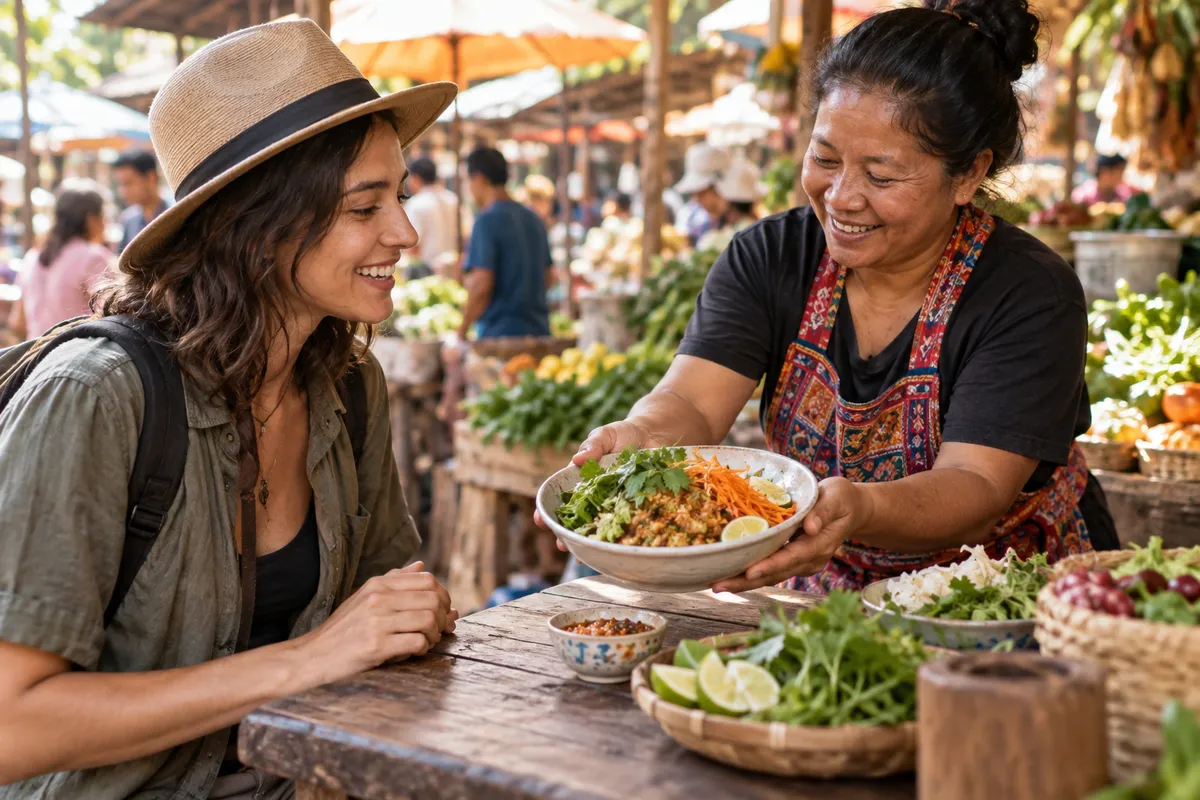
- Food markets. A morning wander gives you a quick education in what's local and in season.
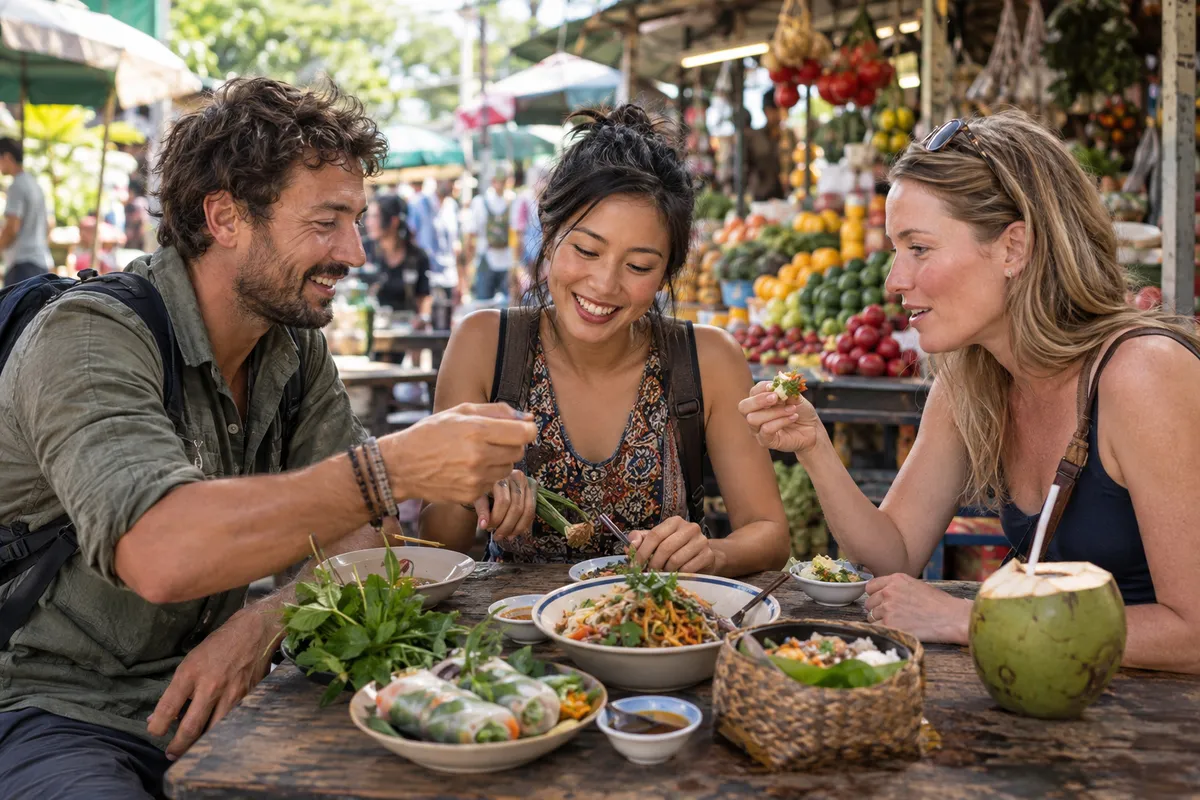
- Street food. Casual, quick, and a natural way to sample a lot without a long sit-down commitment.
- Cooking classes. A chance to learn how a regional dish is actually made, which is a souvenir you can take home.
- Standout restaurants. The bookings worth planning ahead for.
Think of these as anchors rather than a full schedule. One or two per day gives the rest of the hours room to be spontaneous.
Don't Over-Schedule the Eating
One of the angles flagged in the reporting is how to plan around food without over-scheduling, and it's the one most travelers need. A trip with five reservations a day isn't a vacation; it's a shift.
Our suggestion, and it's only that: book the one or two meals you'd be heartbroken to miss, then leave the rest open. An unplanned lunch is often where the best discovery happens, and it's hard to optimize a happy accident.
Balance the Icons With the Hidden Gems
The piece recommends balancing iconic spots with hidden gems, and that's sound. The famous place is famous for a reason, and you may well want that photo. But the neighborhood spot you stumble into is often the one you retell at dinner parties.
The coverage also lists finding authentic local restaurants as a key challenge. The report outline of the piece doesn't spell out a step-by-step method, so we won't pretend to hand you one. A sensible starting point, in our view, is to look at where markets and cooking classes cluster, since those tend to put you near local food culture. Treat that as a hunch, not a rule.
Mistakes to Avoid
Mistakes to avoid when booking a culinary trip is one of the topics the report highlights. We can't tell you the outlet's full list, but the throughline of the advice suggests a few common traps:
- Over-packing the schedule. Too many stops, and you stop tasting anything.
- Only chasing the famous names. Iconic spots are great; they just shouldn't be the whole trip.
- Skipping the research. Knowing the local dishes before you land is half the fun.
Those are our reading of the guidance, not direct quotes from the article.
The Real Souvenir
The best food trips end with a changed palate and a new opinion on something you thought you already knew. Plan the anchors, protect the gaps, and leave one meal a day to chance. The photo will take care of itself.