Somewhere right now, a traveler is skipping a famous museum to stand in line for a bowl of noodles, and they have zero regrets. That scene is the heart of a trend The Business Times flags this week: culinary tourism is on the rise, with travelers choosing destinations based on food experiences, local cuisine, restaurants, markets, and dining culture.
The outlet's framing is that food has become a major driver of travel decisions, as people look for more immersive, authentic experiences beyond sightseeing. It also points to the upside for destinations, chefs, and hospitality brands, which can turn cuisine into a key tourism draw.
That's the news. Here's my take: the itinerary is quietly being rewritten, and the reservation is the new landmark.
From Checklist to Taste List
The classic trip was a checklist: tower, cathedral, viewpoint, photo. Meals were the pit stops that fueled the real activities.
Per The Business Times, that hierarchy is flipping. Travelers are looking for immersion, and it's hard not to see why food is the obvious on-ramp. A meal asks nothing of you but appetite, and it tells you a surprising amount about a place: what grows there, what people eat on a Tuesday, what they save for celebrations.
That's my read, not the report's, but it explains why a market stall can feel more "real" than a monument. You can't queue for a landmark and chat with the person who made your lunch.
Why Destinations Are Paying Attention
The Business Times notes that this shift creates opportunities for destinations, chefs, and hospitality brands. In plain terms: if people book a flight for a dish, then the dish is a tourism asset.
That's good news for anyone with a strong culinary identity, whether that's a regional specialty, a bustling market, or a chef with a loyal following. The report's logic is that cuisine can become the headline reason to visit, not a side note in the brochure.
It also reframes what "local" means. A place doesn't need a skyline to compete. It needs a signature flavor and the confidence to build a trip around it.
Street Food vs. Fine Dining: A False Fight
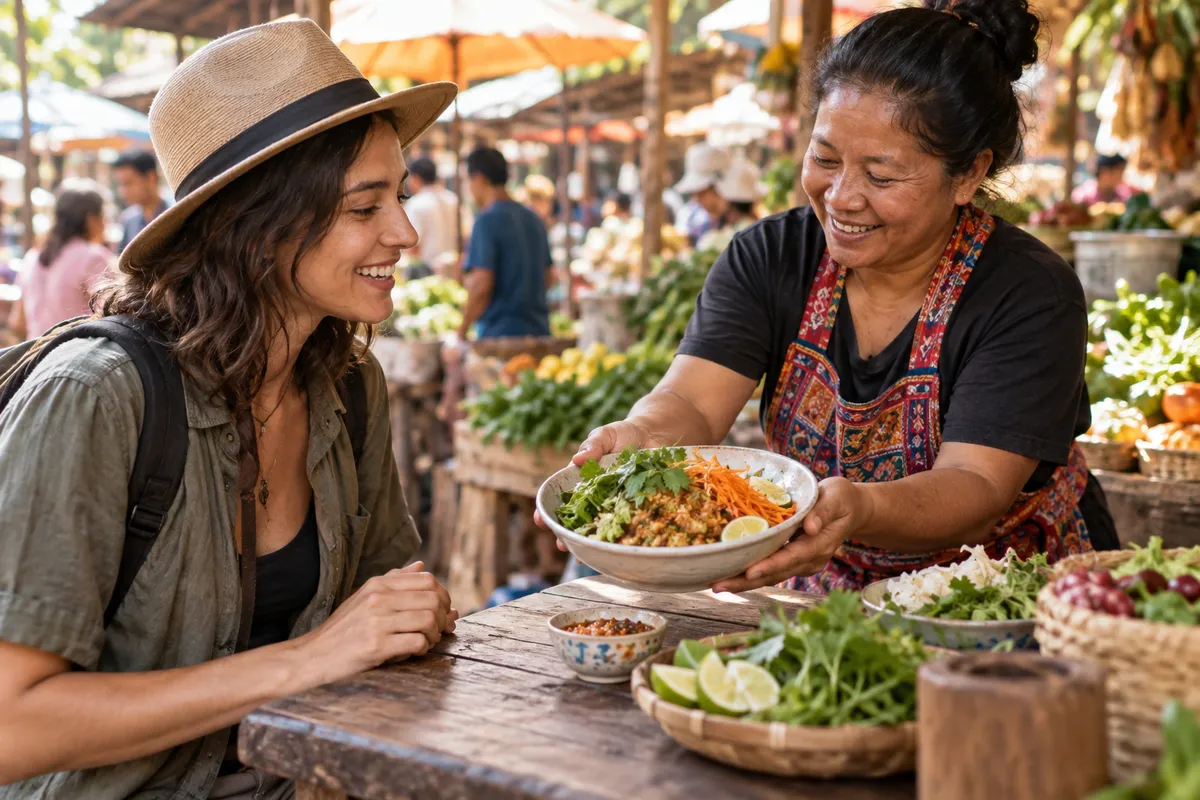
One of the favorite debates in food travel is whether the soul of a place lives at a plastic stool or a white tablecloth. The Business Times piece covers the full spread of food experiences, from markets to restaurants, and that breadth is the point.
My view: you don't have to choose, and the best food-first trips probably don't. Street food and markets give you speed, price, and the daily rhythm of a city. A sit-down restaurant gives you craft and context, a chef's take on the same ingredients. Together they tell a fuller story than either does alone.
How to Plan a Trip Around the Table
Nothing here comes from the report's data, so consider this practical spin rather than reported fact. If food is steering your next trip, a few habits help:
Start with the dish, not the destination
Pick the thing you most want to eat, then find where it's done best. Let the map follow your appetite.
Anchor each day with one big meal
Book or research one meal worth planning around, then leave the rest loose for market wandering and snacks you didn't see coming.
Mix the high and the humble
Pair one restaurant splurge with a day of markets and casual stalls. Variety keeps your palate, and your budget, in good shape.
Leave room for the unplanned
The point of immersive travel is discovery. Overbooking every meal defeats the purpose.
The Bigger Shift
It's tempting to call this a fad, but the reasoning The Business Times lays out is sturdier than a trend cycle: people want authenticity, and food delivers it three times a day. Pop culture has certainly fed the appetite, with food shows and social feeds turning meals into mini-destinations, though that's my observation and not something the report attributes.
What's clear is the direction of travel. The question once asked at the planning stage was "what should we see?" Increasingly, it's "where should we eat?" And a trip built around that question tends to leave you with the best souvenir there is: a craving you'll be chasing at home for years.