National Geographic has published a roundup of 15 of the best places in the world for food right now, framing travel through the lens of standout culinary culture. It's the kind of list that gets forwarded to a group chat with the caption "we should go to one of these," followed by three weeks of silence.
A quick note on what we can and can't tell you: the full destination-by-destination breakdown lives on National Geographic's site, and the details we have here are about the premise, not the individual picks. So this isn't a recap of the 15. It's a look at why a list like this lands so well right now, and how to get real use out of it.
Why a Food List Is Really a Travel List
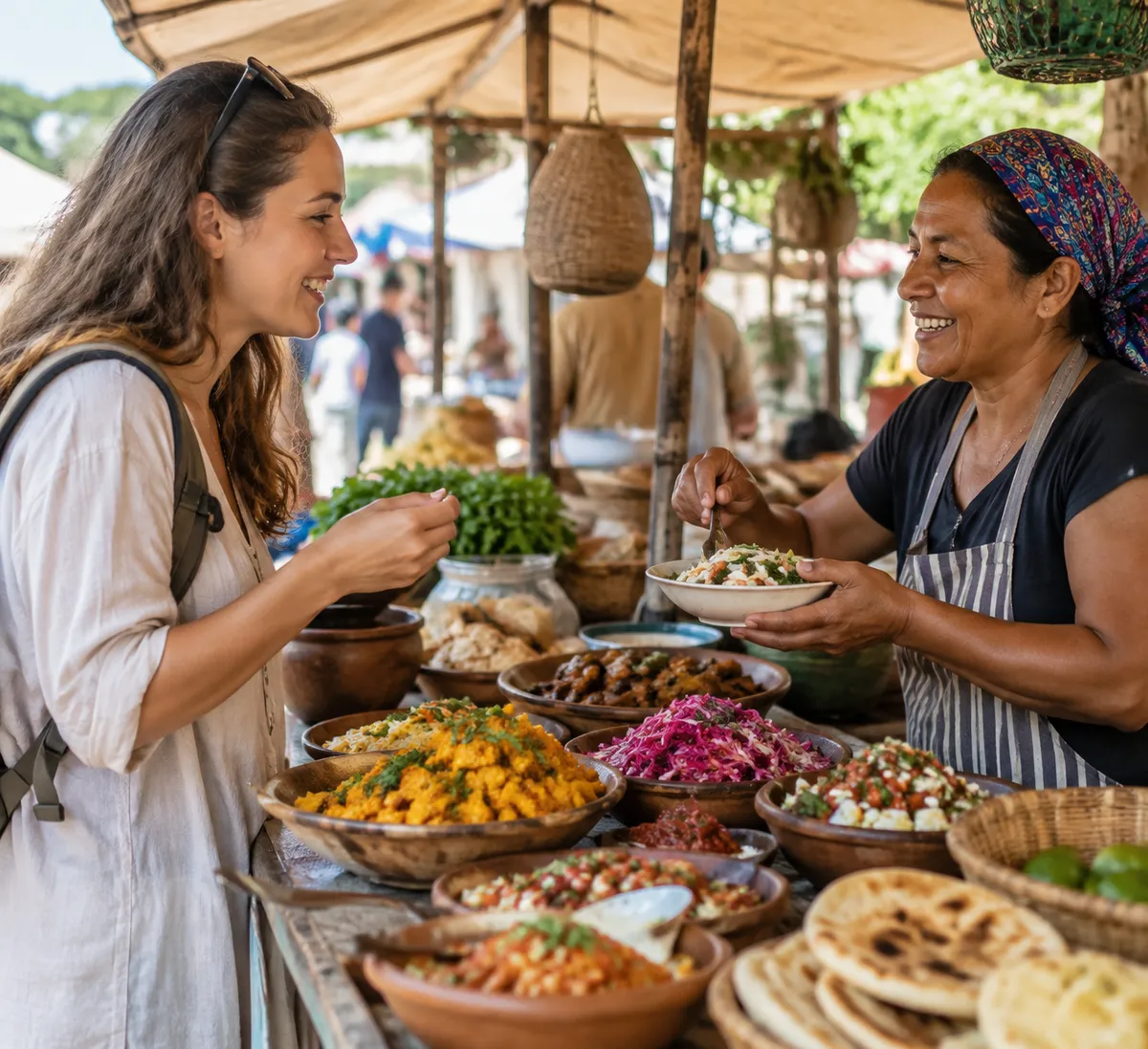
The premise is the story. Per the coverage, food-driven travel has become a major cultural trend, with travelers increasingly choosing destinations based on local dining, street food, markets, and regional identity. In other words, the meal isn't the side quest anymore. It's the reason for the flight.
That shift makes sense. A landmark looks the same in everyone's photos. A market stall, a regional specialty, or a dish you can't quite pronounce is the part of a trip that feels like yours. It's hard not to see why immersive, experience-led trips are having a moment: you can't fake a good meal, and you can't download one.
The Real Angle: Treat It as a Debate Starter
Here's my take: the most useful way to read a "best in the world" list is as an argument you're invited to join, not a verdict to accept.
Superlative lists are inherently subjective. "Best" for whom? A street-food devotee and a tasting-menu person are essentially speaking different languages. National Geographic's framing of "right now" is the smart part, because it admits that food scenes move. Cities rise, neighborhoods change, and a place that dominated the conversation a few years ago may not be where the energy is today.
So instead of asking "is this list right?", try these questions:
- Which pick surprised you? The surprises are where a list earns its keep.
- Which place is missing? Your answer says a lot about what you value when you eat.
- Which one would you actually book? That's the only vote that counts.
How to Turn a List Into a Trip
Inspiration is cheap. A plan is the hard part. A few ways to bridge the gap, all grounded in the idea that food travel is about local dining, markets, and regional identity:
Pick one place, not fifteen
A list of 15 is a menu, not an itinerary. Choose the destination whose food you already find yourself craving, and let that decide it.
Do your homework on the plate
Before you go, read up on what the place is known for. Knowing the signature dishes and regional specialties means you spend your limited meals on the things that matter instead of guessing off a menu.
Go where the locals eat
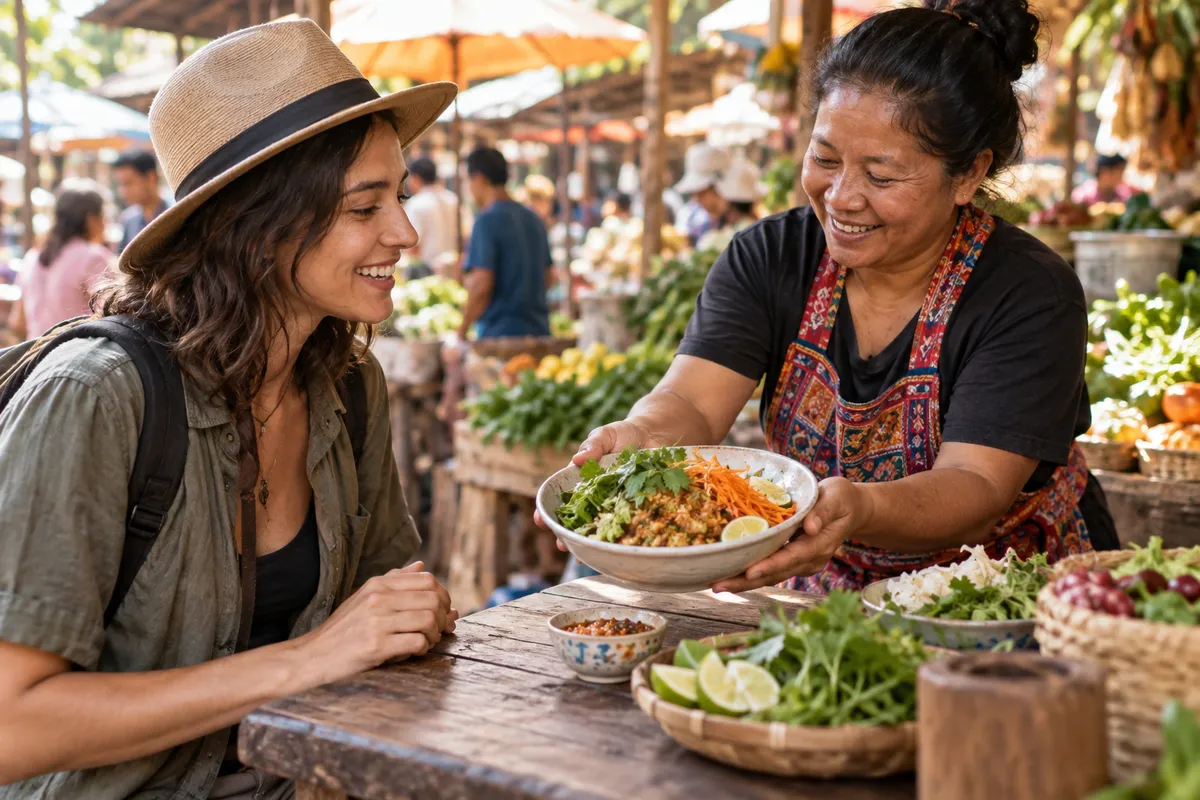
Markets and street food are named in the coverage as part of the draw for a reason. They're where a place's culinary identity is most visible, and usually most affordable. Eating like a local starts with showing up where locals actually are.
Leave room in the schedule
The best meal of a trip is often the one you didn't book. Overplanning a food trip is a little like over-seasoning: you stop tasting the thing itself.
Famous Food Cities vs. Underrated Ones
There's a fun tension in any list like this. The big-name food destinations come with reputation, reservations, and crowds. The lesser-known ones come with discovery. Neither is wrong. But if a list like National Geographic's nudges you to think about a place you'd never have considered, it's done its job, even if you end up disagreeing with the ranking.
I'd suggest a simple rule: if you've already been to the famous stop, let the list push you toward the one you'd have to look up on a map. Food travel rewards curiosity more than it rewards checking boxes.
Your Turn at the Table
The fun of a list of the best places for food is that nobody ever agrees on it, and that's the point. Read National Geographic's full 15 on their site, find the one that makes you hungry, and then do the one thing a list can't: go eat there. The best ranking is the one that ends with a fork in your hand.