Forbes recently spent three days at Mandapa, a Ritz-Carlton Reserve in Bali, taking part in Marriott International's luxury dining series. Its report, titled "Eat, Pray, Forage," describes a program that pairs elaborate meals with culinary activities and wellness rituals.
The headline does a lot of work. It nods to Eat, Pray, Love, the Elizabeth Gilbert memoir turned Julia Roberts film that sent a generation of travelers toward Bali in search of themselves. Swap "Love" for "Forage" and you have a tidy summary of where high-end hospitality is putting its chips: not just a beautiful room, but a structured experience with a beginning, middle and end.
What the Program Covers
Per Forbes, the series combines high-end cuisine with wellness activities and cultural experiences over three immersive days. The pieces, as the outlet describes them, are:
- Elaborate, multi-course meals
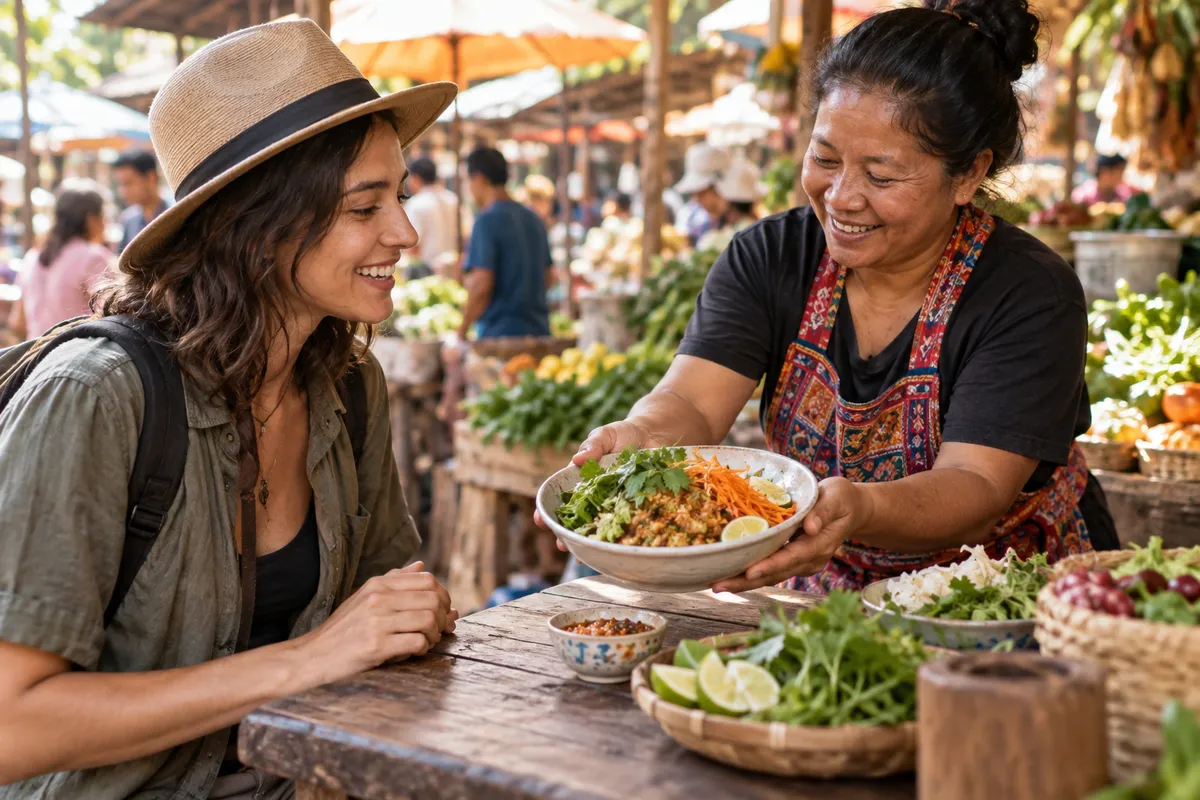
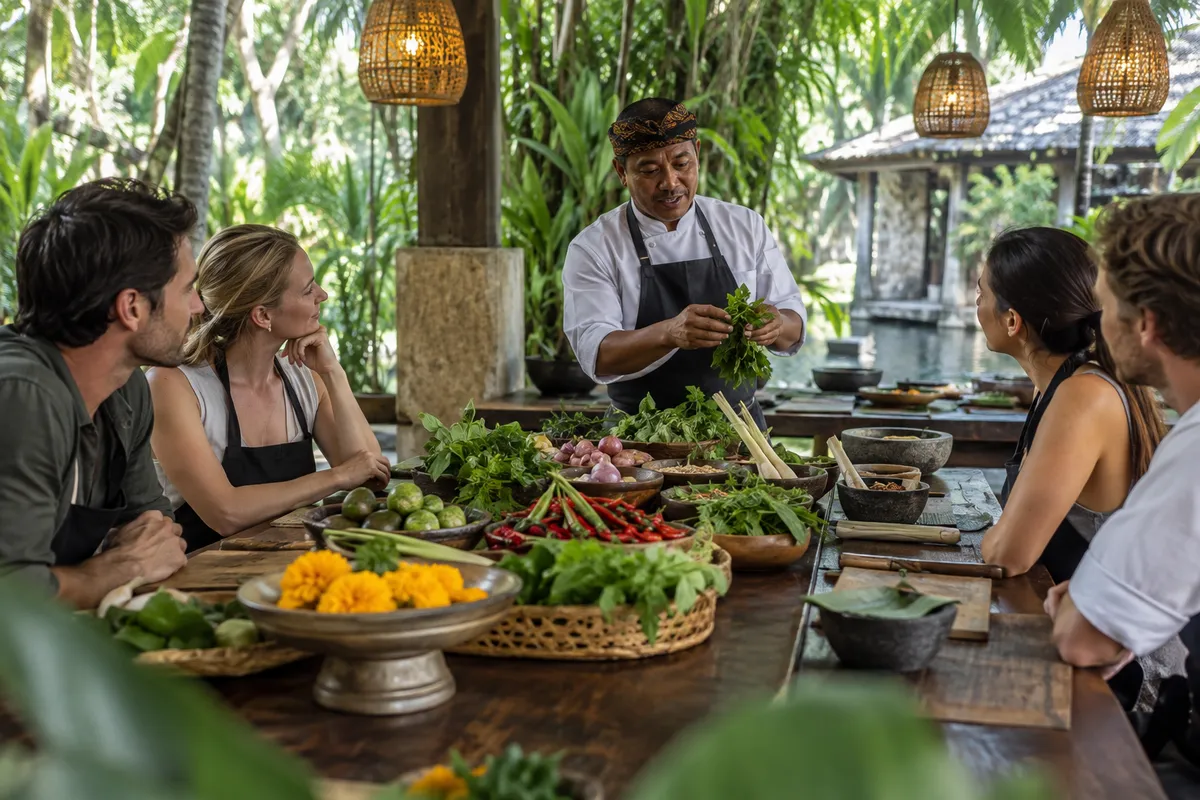
- Hands-on culinary workshops
- Traditional wellness rituals
It is aimed at affluent travelers looking for what the coverage frames as transformative luxury. I can't tell you the menu, the price tag or the chefs involved, because those details aren't in the material I have. What the outline does show is the shape of the product: food, culture and self-care sold as one itinerary rather than three separate add-ons.
The Real Story: The Itinerary Is the Amenity
Here's my take. For decades, a luxury resort competed on things you could list: thread count, pool size, the number of staff per guest. A dining series flips that. The thing being sold is a schedule, a set of curated moments you can't get by simply booking a villa and ordering room service.
That tracks with a broader shift. Luxury travel is leaning toward experiential and wellness-driven offerings rather than pure indulgence, and a multi-day program like this one suggests hospitality brands are competing for high-net-worth guests by packaging experiences rather than just rooms. Marriott putting the Ritz-Carlton Reserve name behind a themed three-day format reads, to me, like a bet that guests will pay for a story they can tell afterward.
It's also hard not to notice how neatly Bali fits the pitch. It remains a top destination for wellness tourism, so a resort there pairing a tasting menu with traditional rituals is selling to an audience already primed to buy it.
Why "Forage" Is the Smartest Word in the Title
It's a small word with a big promise. Foraging implies place: ingredients with an address, a landscape you can almost smell. Whether or not any given dish involved wild-gathered anything (I can only point to the outlet's framing), the word signals that the meal is meant to be rooted in where you are, not flown in from somewhere else.
That's the quiet logic of the whole luxury-experience boom. The more global and interchangeable five-star comfort becomes, the more resorts lean on the one thing a competitor can't copy: geography and culture. A hands-on cooking workshop can only happen in one place, and so can a ritual practiced there for generations.
The Eat, Pray, Love Shadow
There's a gentle irony here. The memoir's whole appeal was the idea that a place could change you if you let it. The luxury version, a curated three-day package with a schedule, offers the same promise with the rough edges sanded off. No wandering, no getting lost, no ambiguity about whether lunch will be good.
Is that a criticism? Not exactly. Plenty of people have three days, not a year, and would happily trade serendipity for a well-run program. But it does show how the wanderlust fantasy has been productized, and how much of travel's appeal now lies in a tidy narrative arc.
Who This Is For
Forbes's audience here is affluent consumers, travelers and foodies, and that's the honest read of the program too. This isn't a budget escape. It's a showcase for how a major hotel group imagines the high end of travel: eat well, move slowly, take part in something local, go home feeling a little different.
Whether three days can truly change your perspective is a question for each traveler. What's clear from Forbes's account is the pitch, and it's a good one. The room is the setting now; the experience is the product.
The next time a resort promises to transform you, check the itinerary. The best ones, like this series, have already written it for you.