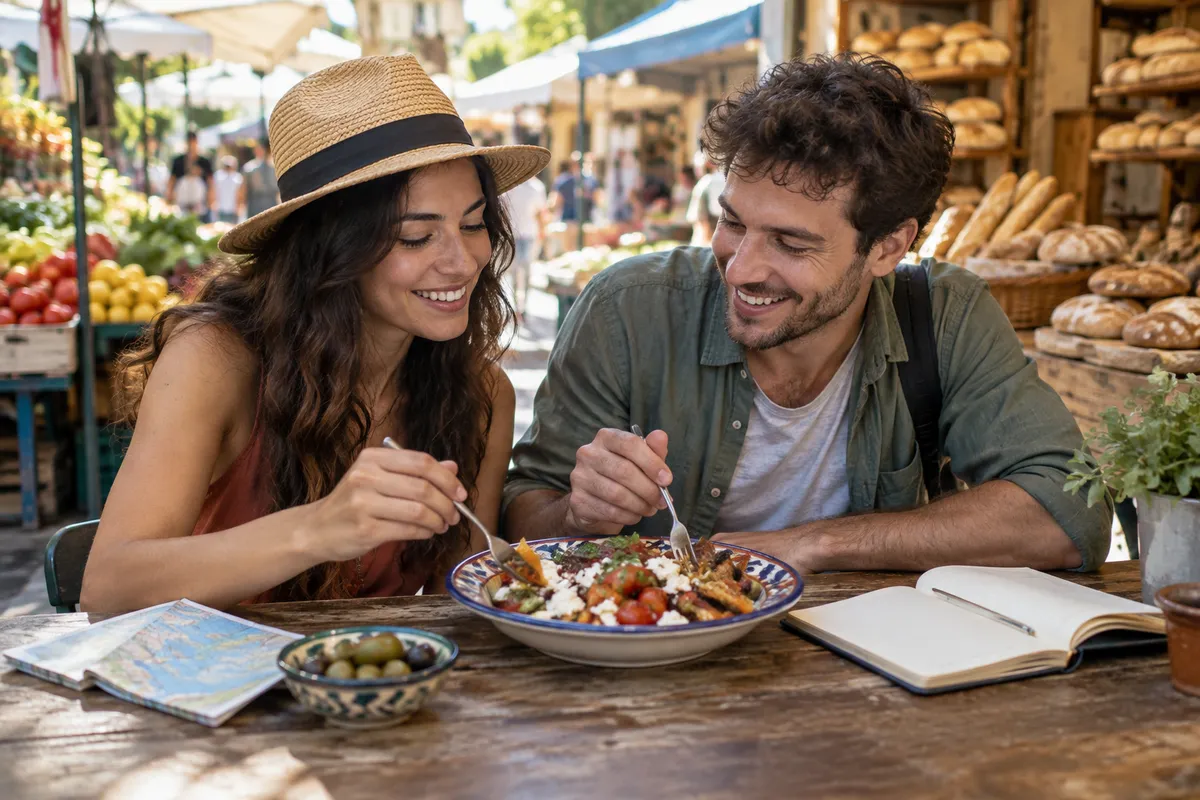
Real Simple published a piece this week making the case for planning every vacation around food, complete with nine tricks for eating better on the road. The list, per the outlet, runs from researching local specialties before you go to documenting your meals as part of the trip's memory. It's a food-first philosophy, and it's easy to see why it's catching on.
The angle worth committing to here is the one that trips up most people who try this: how to plan around food without overscheduling. Because there's a real tension. The whole point of a delicious trip is that it feels spontaneous and a little bit lucky. The whole point of planning is to make sure that luck has some help.
Why the Menu Is the New Landmark
The broader context, as the Real Simple piece frames it, is that food tourism has become a major driver of travel decisions. Travelers are chasing personal, experience-led trips rather than generic sightseeing. Social media has also done its part, turning restaurants, markets and regional dishes into destination highlights in their own right.
It's hard not to see the logic. A monument looks the same in everyone's photos. A plate of something you can't pronounce, eaten at a counter in a market, is yours.
The Two-Anchor Method (My Take on the List)
Here's how I'd read Real Simple's nine tricks if the goal is eating well without a color-coded itinerary. Think of them as two groups: the things you lock in, and the things you leave loose.
Lock these in
Research local specialties before you go. This is trick number one on Real Simple's list, and it's the foundation. Knowing what a place is known for means you can recognize the good version when you see it, and skip the generic one.
Build your itinerary around standout meals. Pick the one or two meals that matter most and let the days orbit them. The sightseeing can flex around dinner, which is a nicer way to live.
Book key restaurants in advance. The operative word is key. Reserve the meals you'd be genuinely sad to miss, not every lunch for a week.
Keep these loose
Ask locals where they actually eat. Real Simple's phrasing is "where they actually eat," and that wording matters. Asking a hotel desk for "a recommendation" and asking a neighbor where they'd go on a Tuesday are different questions. It's a good way to dodge the tourist-trap tier.
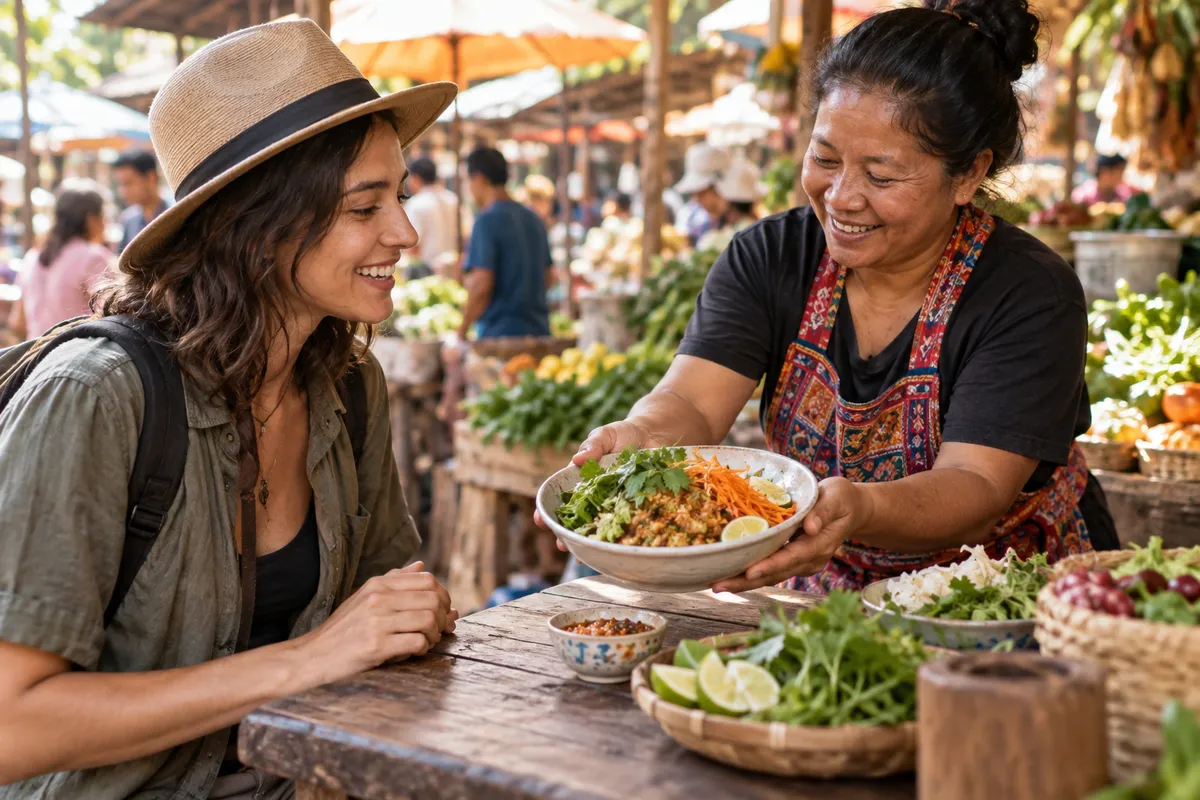
Visit markets, bakeries and food halls. These are the low-commitment, high-reward stops. No reservation, no big bill, and plenty of local color. A bakery on the way to somewhere else is the easiest food plan there is.
Leave room for spontaneous finds. Real Simple lists this on its own, and it's the sleeper entry. The previous items give your trip structure; this one makes sure the structure has windows in it.
The Extras That Stretch the Trip
The remaining tricks turn the vacation into something you can carry home.
Take a food tour or cooking class. Per the list, this is a way to learn about a place through its food with someone who knows it well. Our read: it works best early in a trip, since it hands you context (and a list of things to try) for the days that follow.
Shop for edible souvenirs. Unlike a magnet, a souvenir you can eat gets used. It also lets the trip last a little longer once you're back in your own kitchen.
Document meals as part of the trip memory. Real Simple treats the meal record as part of the trip itself. A quick photo or note of what you ate, and where, tends to bring back a place more vividly than a skyline shot does. That's our observation, not a finding, but most of us have a camera roll that agrees.
How to Do It Without Overplanning
A practical shape for a food-led trip, drawing on the nine tricks:
- Before you go: Research the local specialties and pick your one or two must-have meals. Book those.
- Each day: Anchor it with one planned food moment, whether a reservation, a market visit or a bakery stop.
- Everything else: Leave open. Ask around, wander, and say yes to the place with the line of locals out the door.
- Midway through: If you're up for it, slot in a food tour or class.
- Last day: Buy your edible souvenirs and flip through your meal photos.
That's one fixed point per day and a lot of open space, which is roughly the balance the list seems to be aiming for.
The Real Pitch
The appeal of a food-first vacation isn't that it makes you fancier. It's that it gives every day a small, delicious goal, and everything else, the walking, the people, the wrong turns, tends to fall into place around it. Plan the meals worth planning, leave the rest to chance, and you'll probably come home with better stories than any landmark photo could give you.