Travel Weekly has put a spotlight on culinary travel this week, with a guide to eating and drinking New Zealand the Kiwi way. The pitch is simple: see the country through its food, its drink and its local dining culture, rather than treating meals as pit stops between landscapes.
It's a smart angle, and it fits where trip planning is heading. Per the coverage, food-led travel continues to drive how people choose destinations, as travelers look for more authentic, place-based experiences. New Zealand, with its distinctive producers, wine regions, seafood and Māori influences, makes a natural case study.
This is a framework, not a full itinerary, so consider it a way of thinking about the trip. Here's how to use it.
Why New Zealand Suits the Food-First Traveler
Most destinations ask you to hunt for "the local stuff." New Zealand, going by Travel Weekly's framing, hands you the ingredients of a food trip up front. The coverage points to four pillars: distinctive producers, wine regions, seafood and Māori influences.
That list is a useful scaffold. It's hard not to see it as a cheat sheet for building a trip: one stop for a glass, one for something from the water, one for the farm that grew your dinner, and one for the culture underneath all of it.
Start With the Culture, Not the Menu
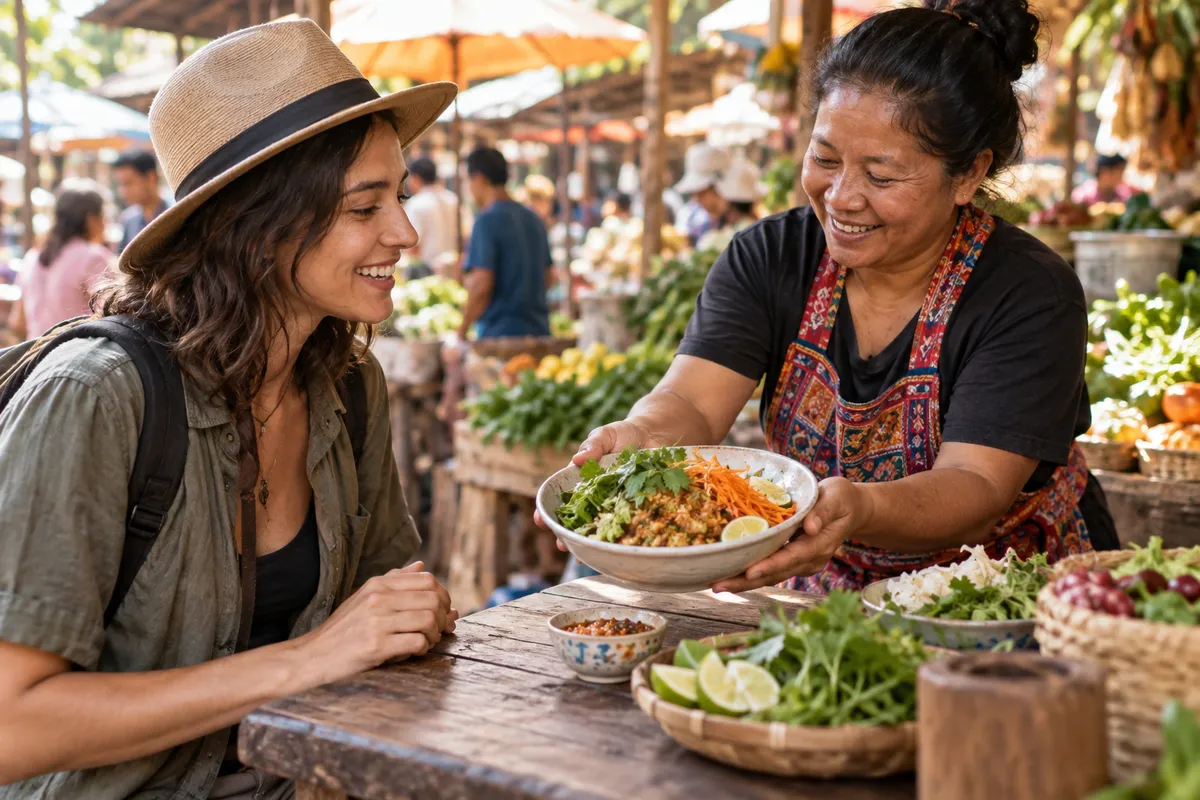
The piece highlights Māori influences as part of what makes Kiwi dining distinctive. That's the detail worth building around, because it changes how you eat. Instead of asking "what's famous here?", you start asking "what's the story behind this plate?"
The coverage doesn't spell out specific dishes or traditions in the material available, so I won't invent a menu for you. What's worth taking from it is the habit: when you're in New Zealand, look for places that connect food to place and people, and ask questions. Hosts and producers tend to love that. (That last bit is my own travel instinct, not Travel Weekly's claim.)
Build the Trip Around Three Appetites
The source points to wine regions, seafood and farm-to-table experiences as the headline draws. Here's a simple way to organize a trip around them.
The Glass
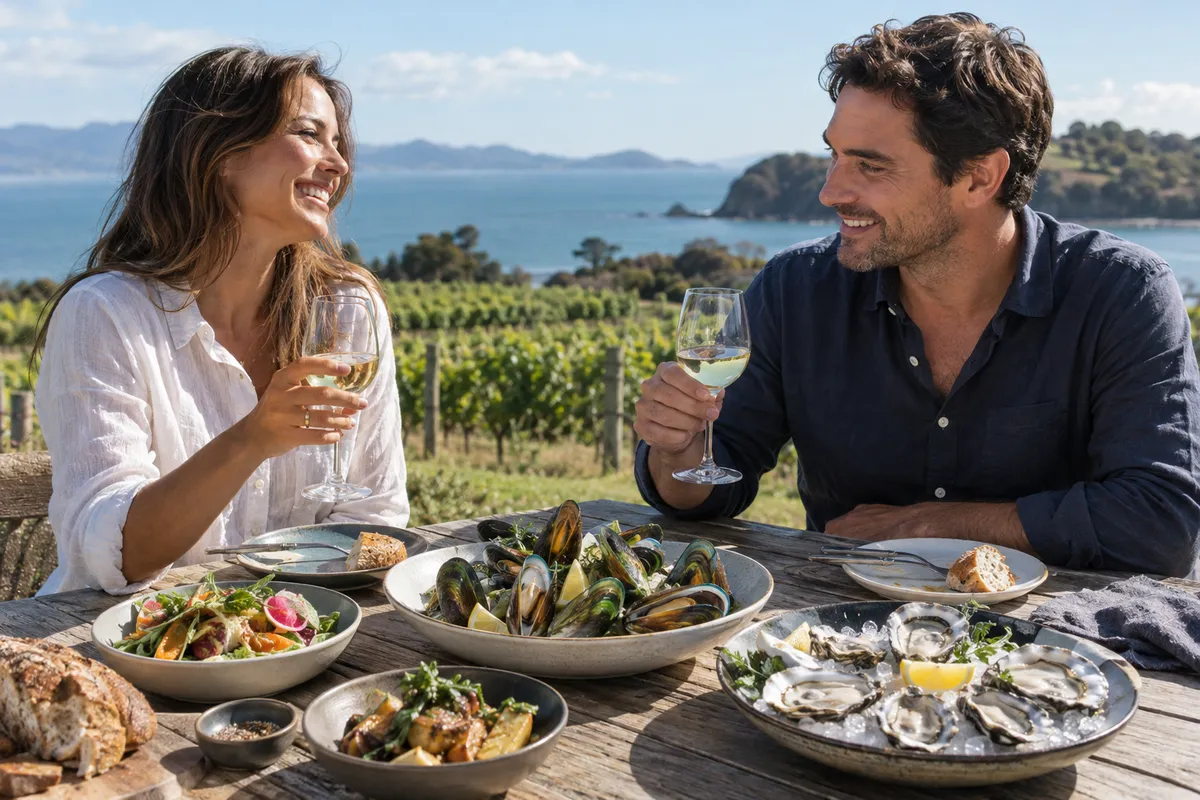
Wine regions are named as a major draw. Treat them as anchors for your route rather than add-ons: pick a region, book a base nearby, and let the tasting rooms set your pace. Pro tip from common sense, not the article: designate a driver, or book a tour.
The Catch
Seafood is highlighted as a pillar of the Kiwi table. The sensible move for any visitor is to eat it near where it came from, and to ask what's local and in season. Specific species and spots aren't detailed in the material I have, so let local recommendations fill that in.
The Farm
Producers are the third leg. Farm-to-table travel works best when you treat the producer as the destination: a stop that gives context to the meal rather than just a photo op.
A Road Trip Logic, Not a Rigid Route
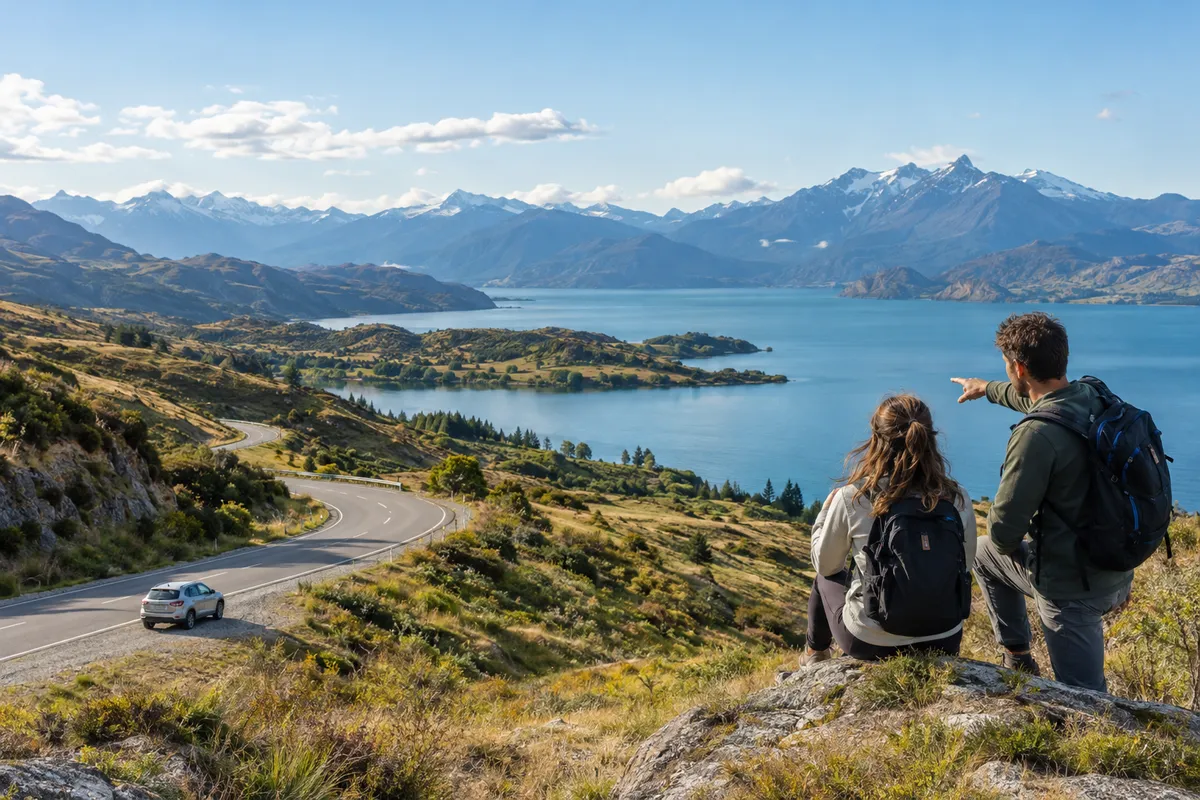
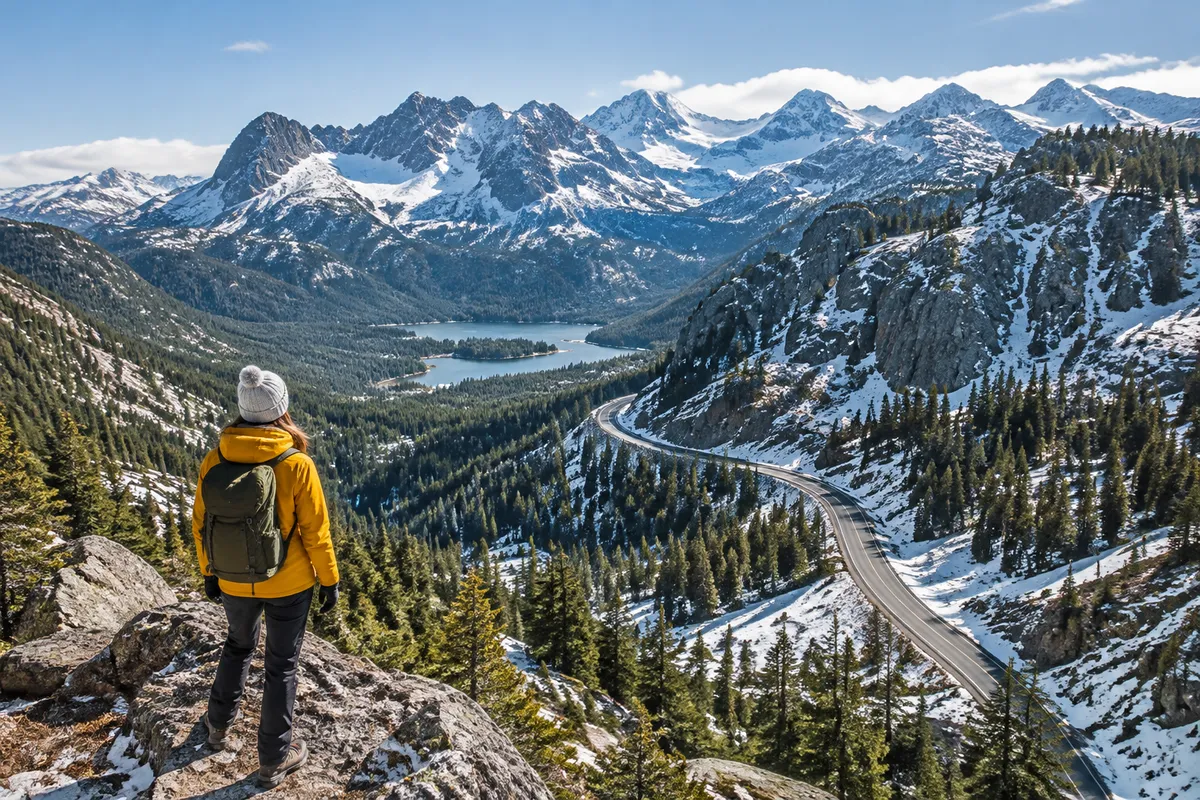
One of the angles in the coverage is a culinary road trip across the country. Without a fixed itinerary to borrow, the principle matters more than the map. Pick two or three regions rather than racing across everything. Let each one have a theme: one for wine, one for seafood, one for farms. Leave room for the unplanned lunch.
The common mistake in food travel is the checklist: ten restaurants, zero breathing room. The better plan is fewer, deeper stops, where you actually learn something about what's on your fork.
First-Timer Rules of Thumb
- Lead with curiosity. Ask what's local, what's seasonal and what the producer is proud of.
- Eat regionally. The appeal, per Travel Weekly, is distinctiveness, so skip the dish you could get at home.
- Pair culture with cuisine. Seek out experiences that explain Māori influences on what you're eating, rather than just serving it.
- Plan around a region, not a country. Drive time eats into tasting time.
The Takeaway
The most useful thing in Travel Weekly's culinary focus isn't a restaurant tip. It's the reframing: the meal isn't a break from the trip, it's the trip. Pack an appetite, leave the checklist at home, and let New Zealand's wine, seafood and farms do the itinerary-writing for you.